


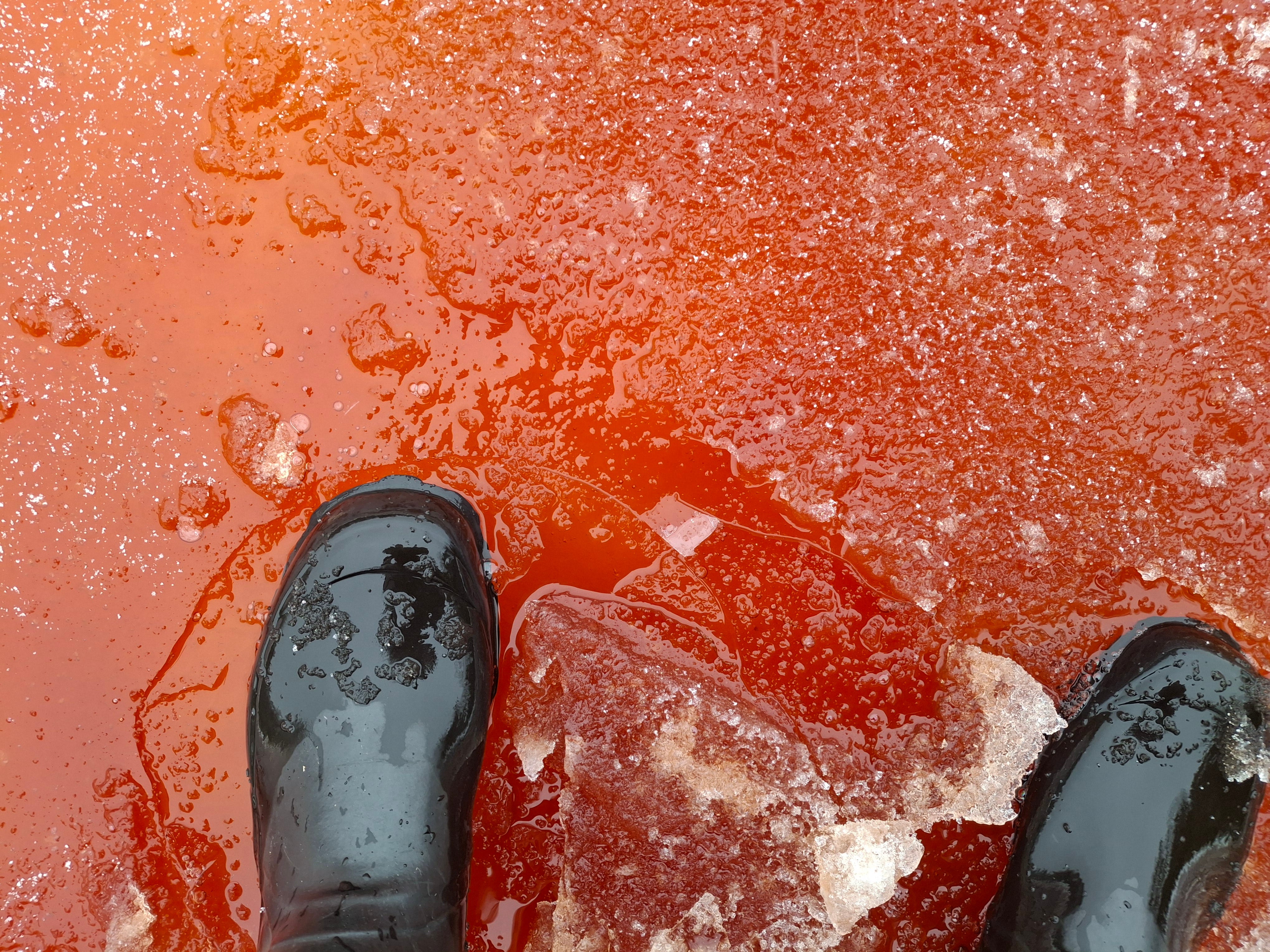
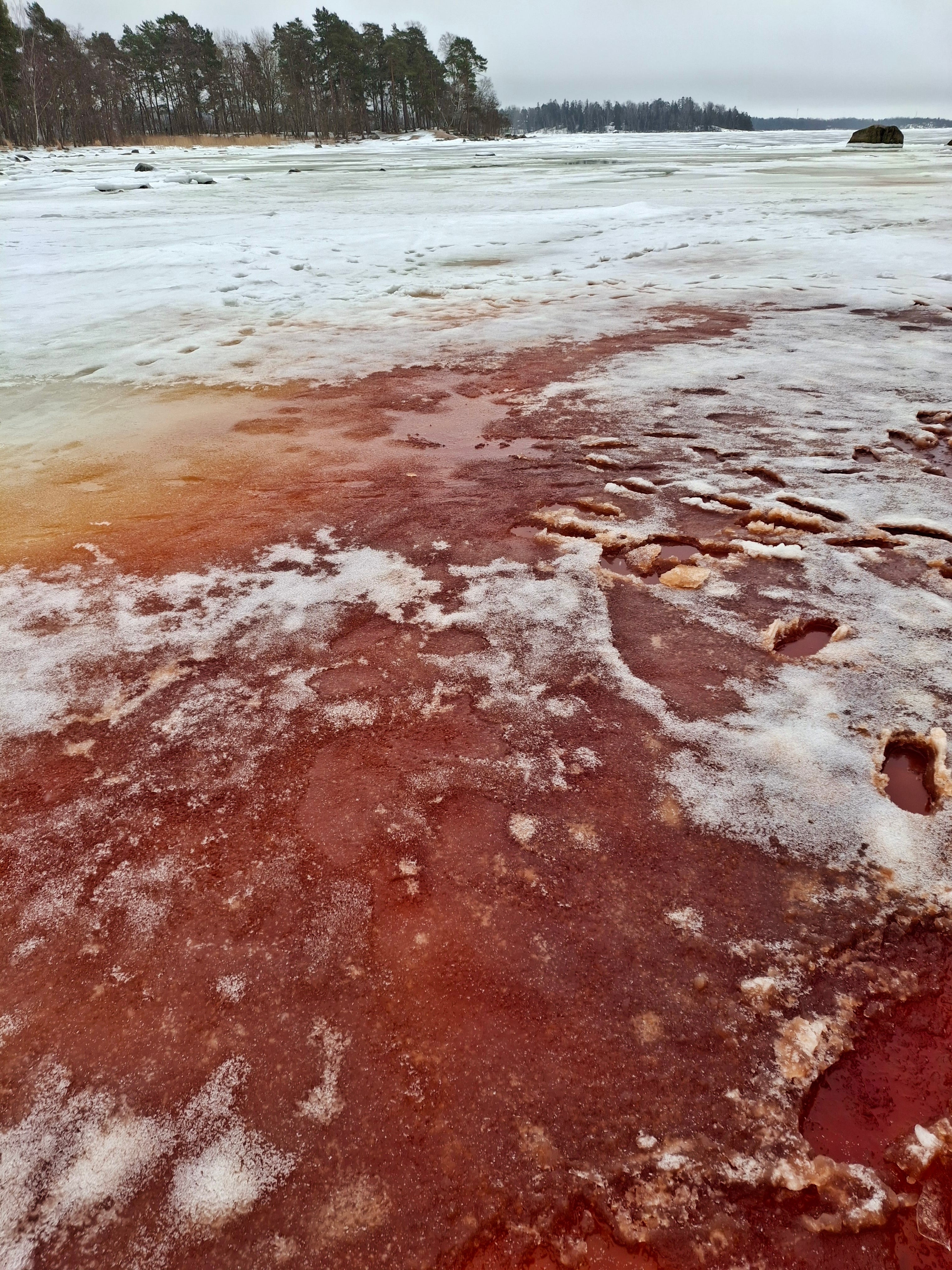
In March, people walking on the sea ice in the Gulf of Finland were surprised. The ice was bright red. The sight was almost surreal. However, it was a natural phenomenon. The cause was bladderwrack, and the phenomenon was actually very positive.
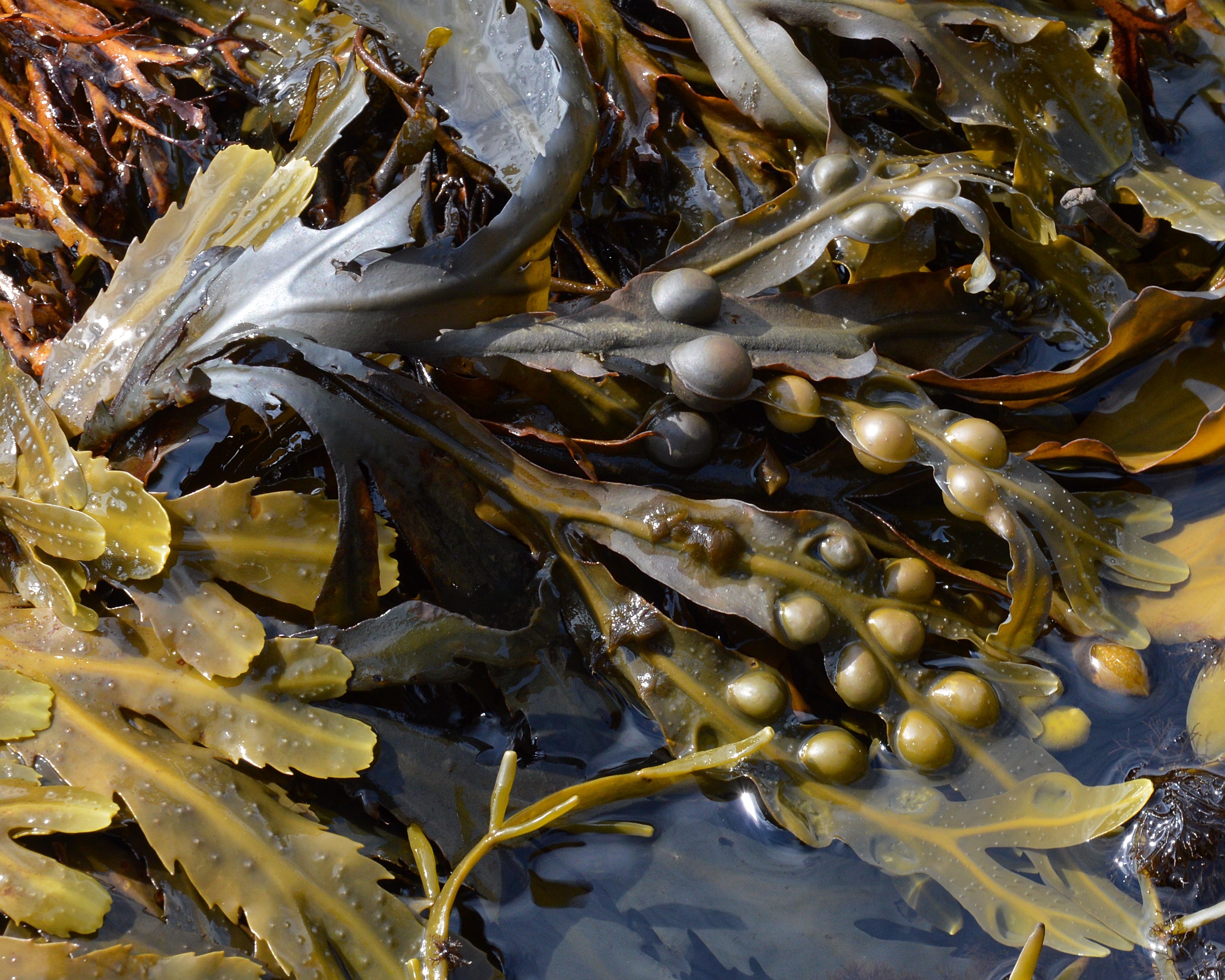
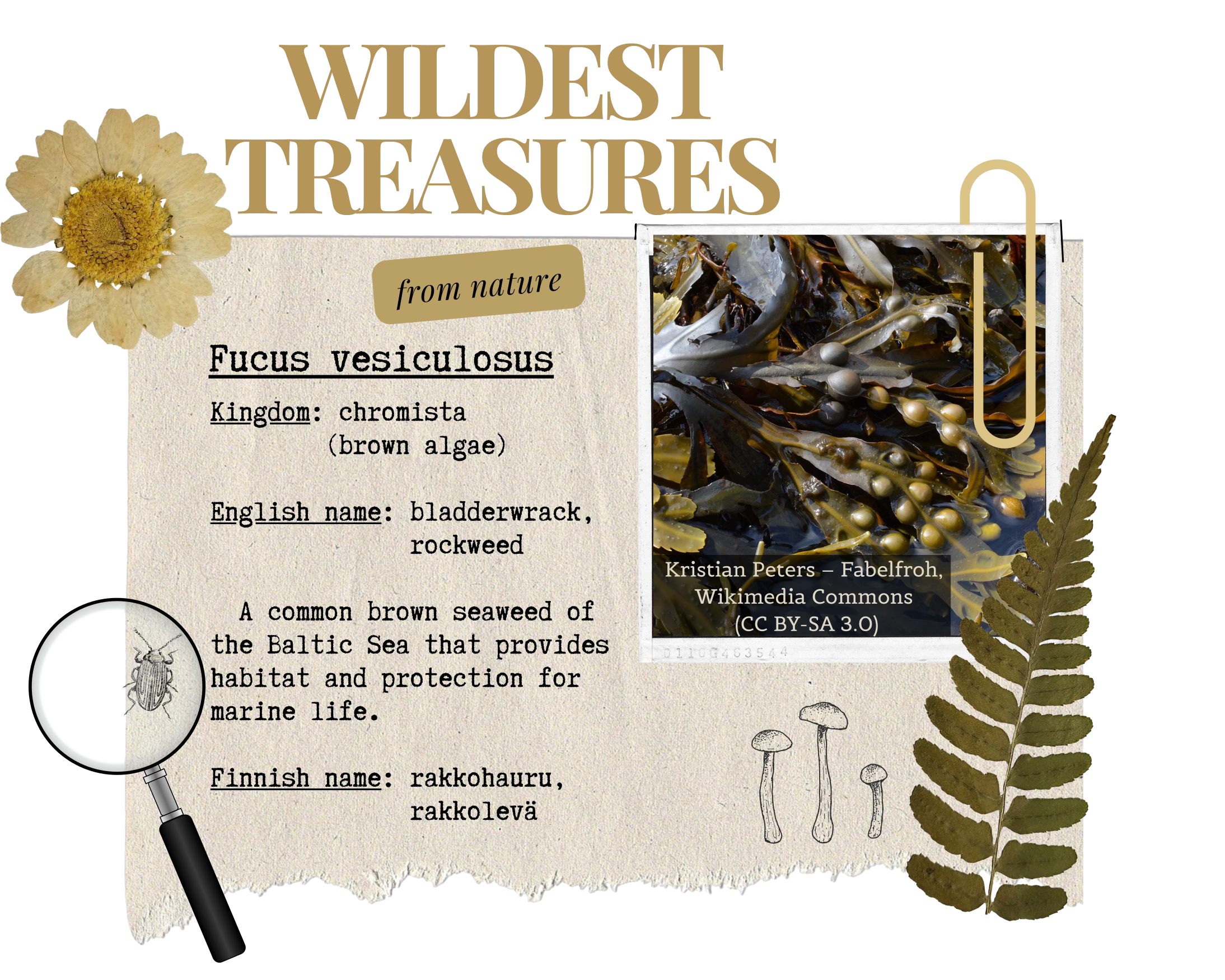
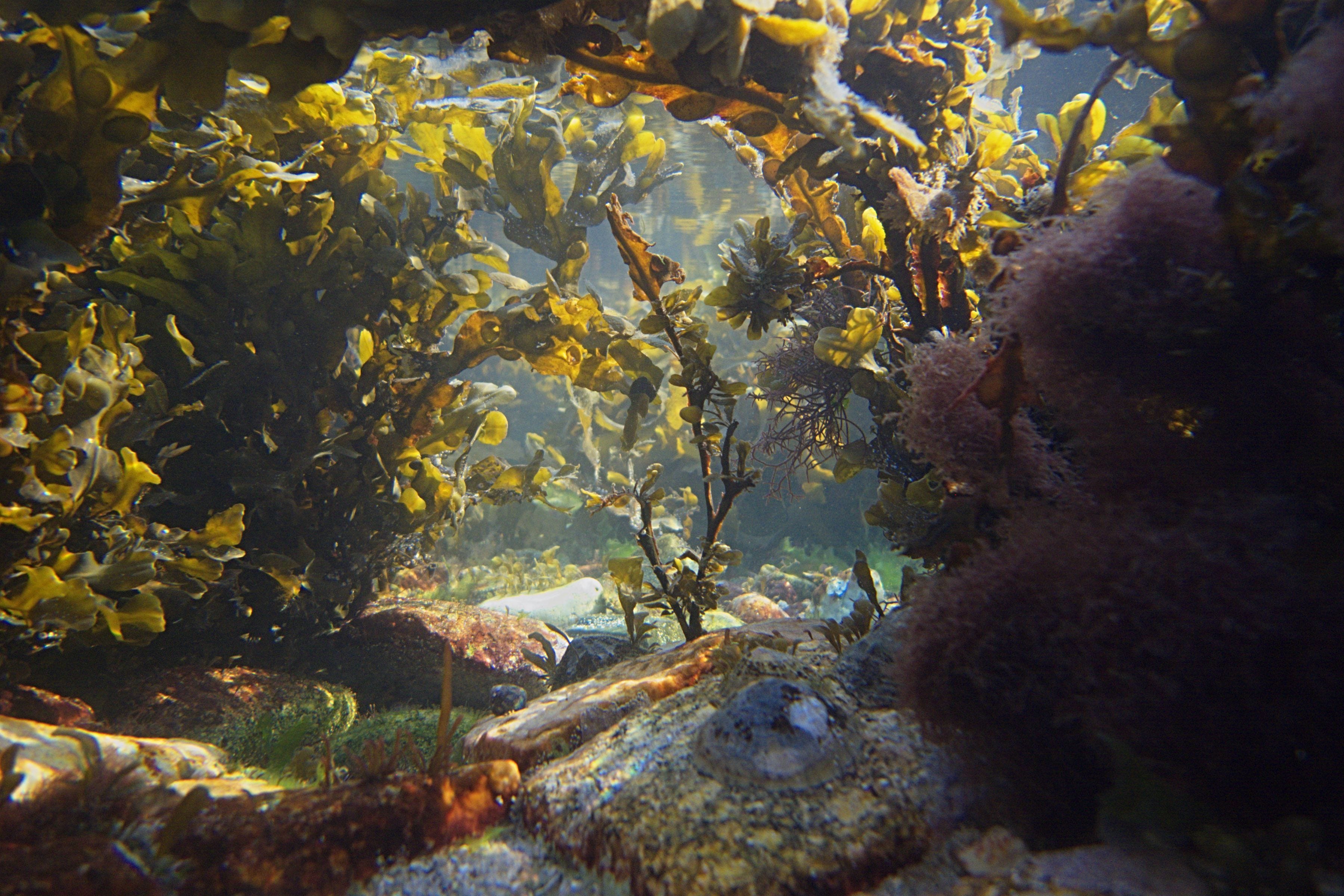
Bladderwrack is a species of brown algae with tough, olive‑green fronds. It has a leathery texture and contains air-filled bladders that keep it floating toward the surface. It can live at depths of up to 10 meters, although it is most commonly found at around 2.5 meters.
Bladderwrack once nearly disappeared from the Finnish coast, but its population has since recovered. It shelters young fish and countless small organisms — shrimp, amphipods, isopods, mussels, and sea snails. These, in turn, feed many fish species and coastal birds. Large amounts of bladderwrack washed ashore also play an important role as egg-laying sites for grass snakes.
Bladderwrack is an indicator of the state of underwater nature. That is why the red-colored sea ice, despite its dramatic appearance, was actually a positive sign.
Bladderwrack has always been a resourceful species — a quiet treasure of the shoreline. It has been used for dyeing yarns and fabrics, as fertilizer, for soil improvement, as famine food, and as a traditional remedy. Today, it is also used in cosmetics due to its antioxidant properties and its ability to support collagen production.
Yet its deepest work happens where no one sees it. It remains one of the Baltic Sea’s most important foundation species. Somewhere in the slow sway of the Baltic, the bladderwrack keeps doing what it always does, holding the coastline together, its quiet work continuing beneath the waves.
You are reading the Wildest Treasures section — a quiet corner of the Grow Wild in Forest Soil. I don’t usually send posts from this section by email, but this one is an exception. You can find it either at growwildforest.com or through the links in my profile. 🌿🔍

This is so neat! I worked for a few years restoring eelgrass on the Atlantic coast of the US and bladderwrack was absolutely everywhere. I never saw the ice turn red like this though.