

Junior Bog Researchers in Action
Notes from a highly controlled field operation

Field expedition was conducted 23.6.2026 at 11:54-13:23, under high horsefly pressure.
Present:
• 🕵️♀️ Bog Operations Lead (the undersigned)
• 🕵️ Field Assistant — 9-year-old
• 🕵️ Junior Botanist — 6-year-old
• 🕵️ Junior Researcher — 4-year-old
🔎 Operational equipment: magnifying glass, three bananas, coffee thermos.
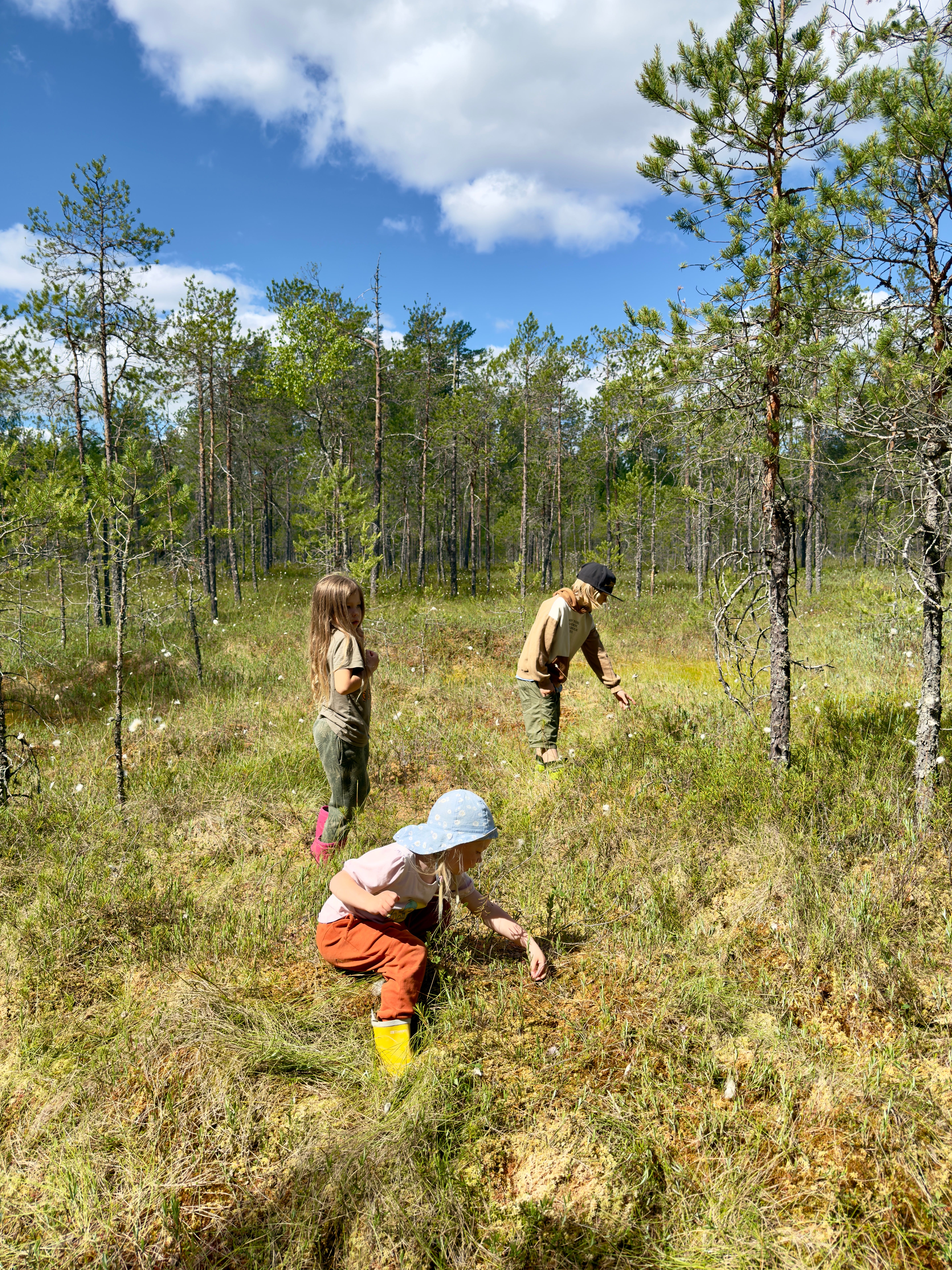
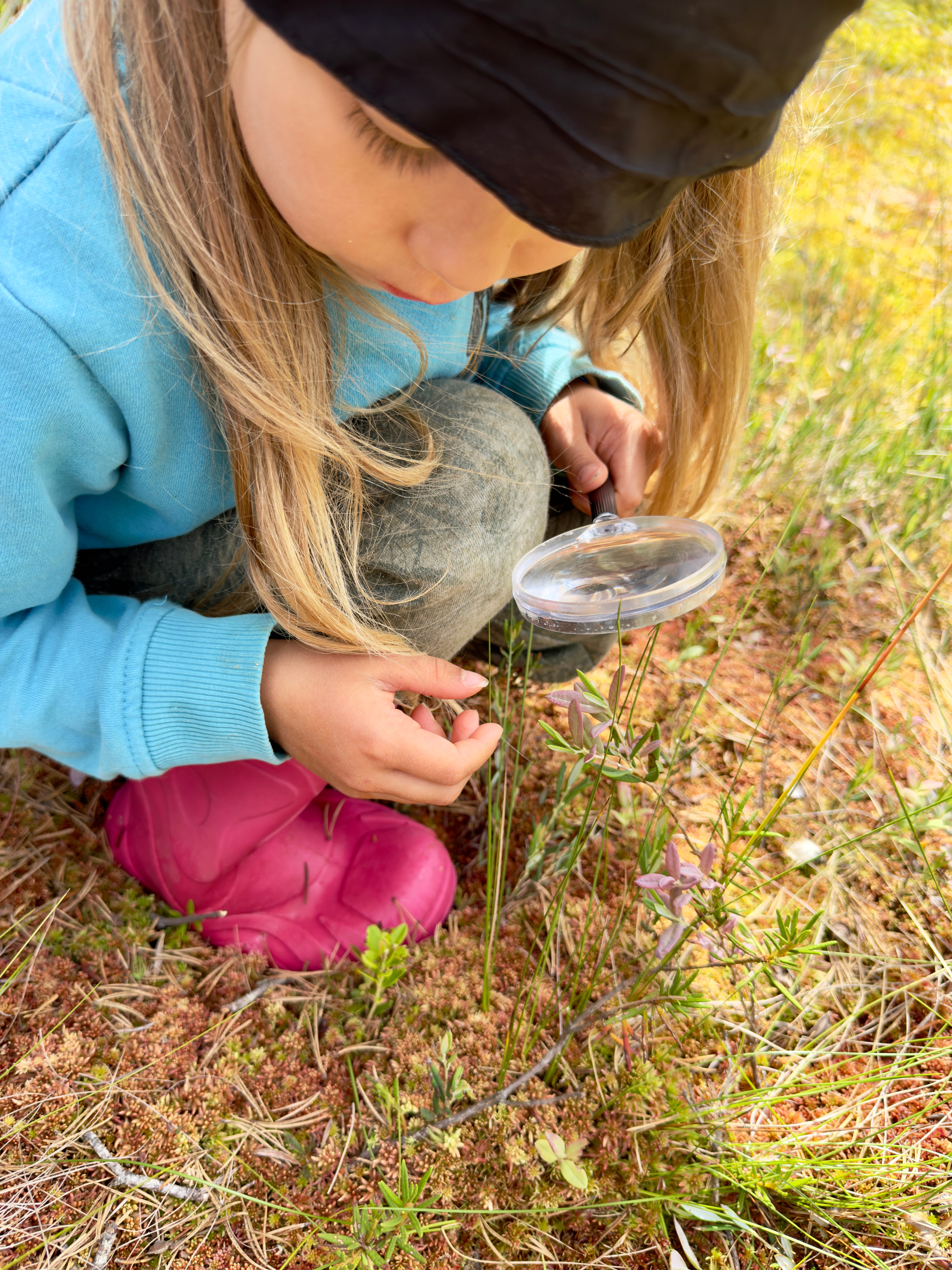
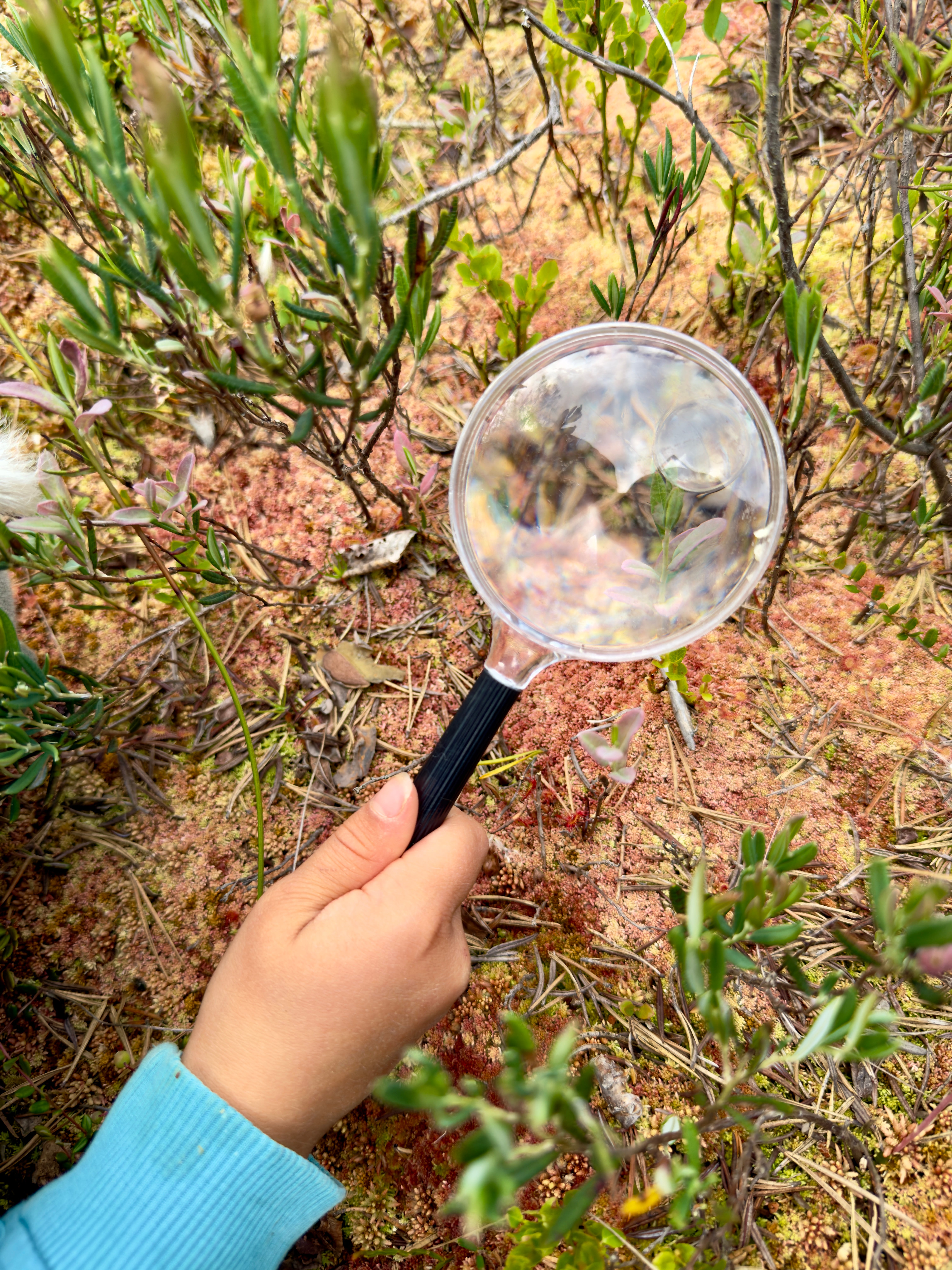
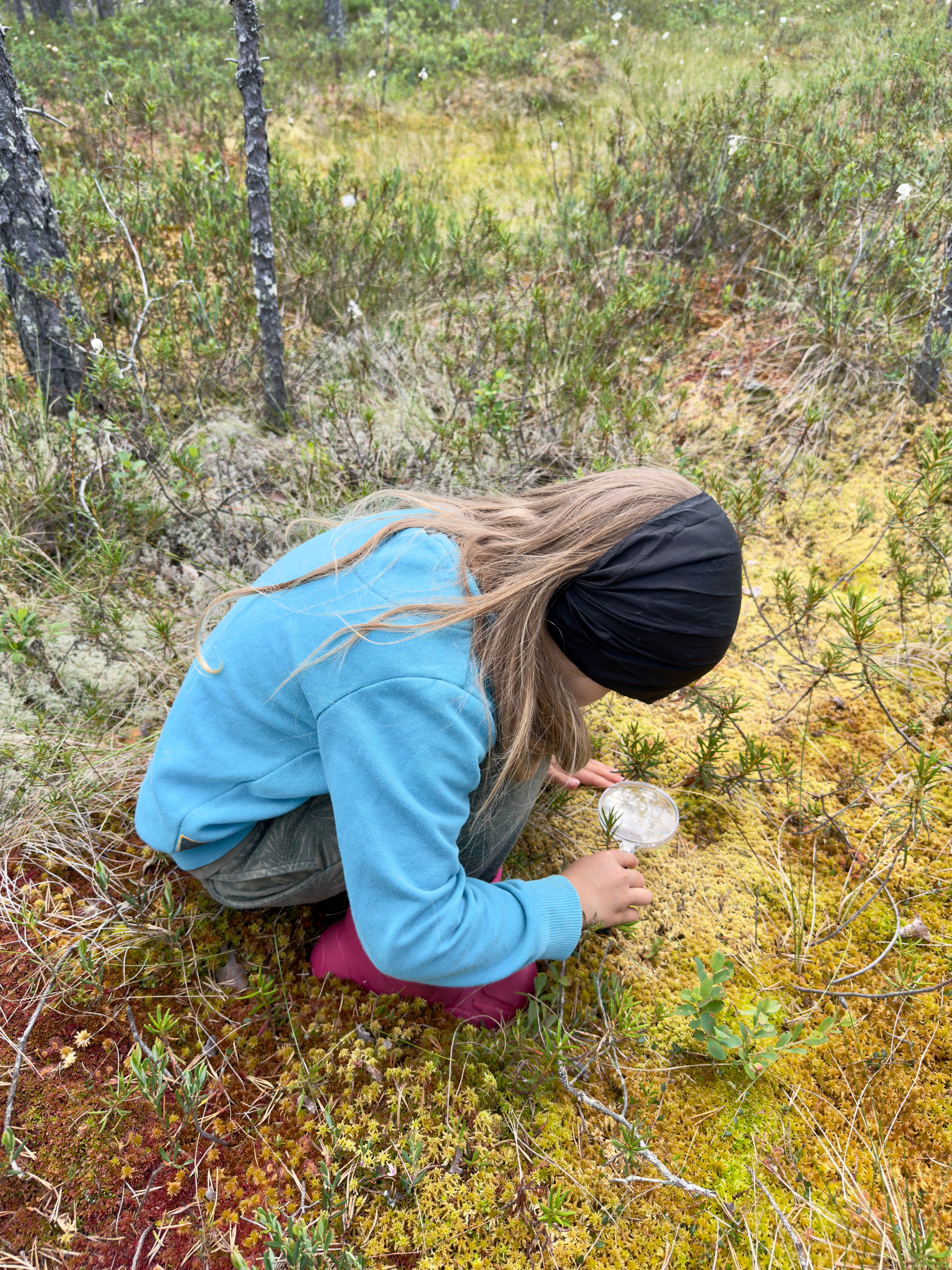
When the team entered the bog, a naked‑eye observation was immediately made: the cotton‑grass was still in cotton stage. The Junior Researcher, who had been acutely aware of the magnifying glass packed in the backpack, requested permission to use it.
The Junior Botanist also required the magnifying glass immediately for sphagnum species identification, so an entten‑tentten style draw (a traditional Finnish counting rhyme for random selection) was conducted to determine priority of use. Several disagreements were voiced about the draw’s outcome.
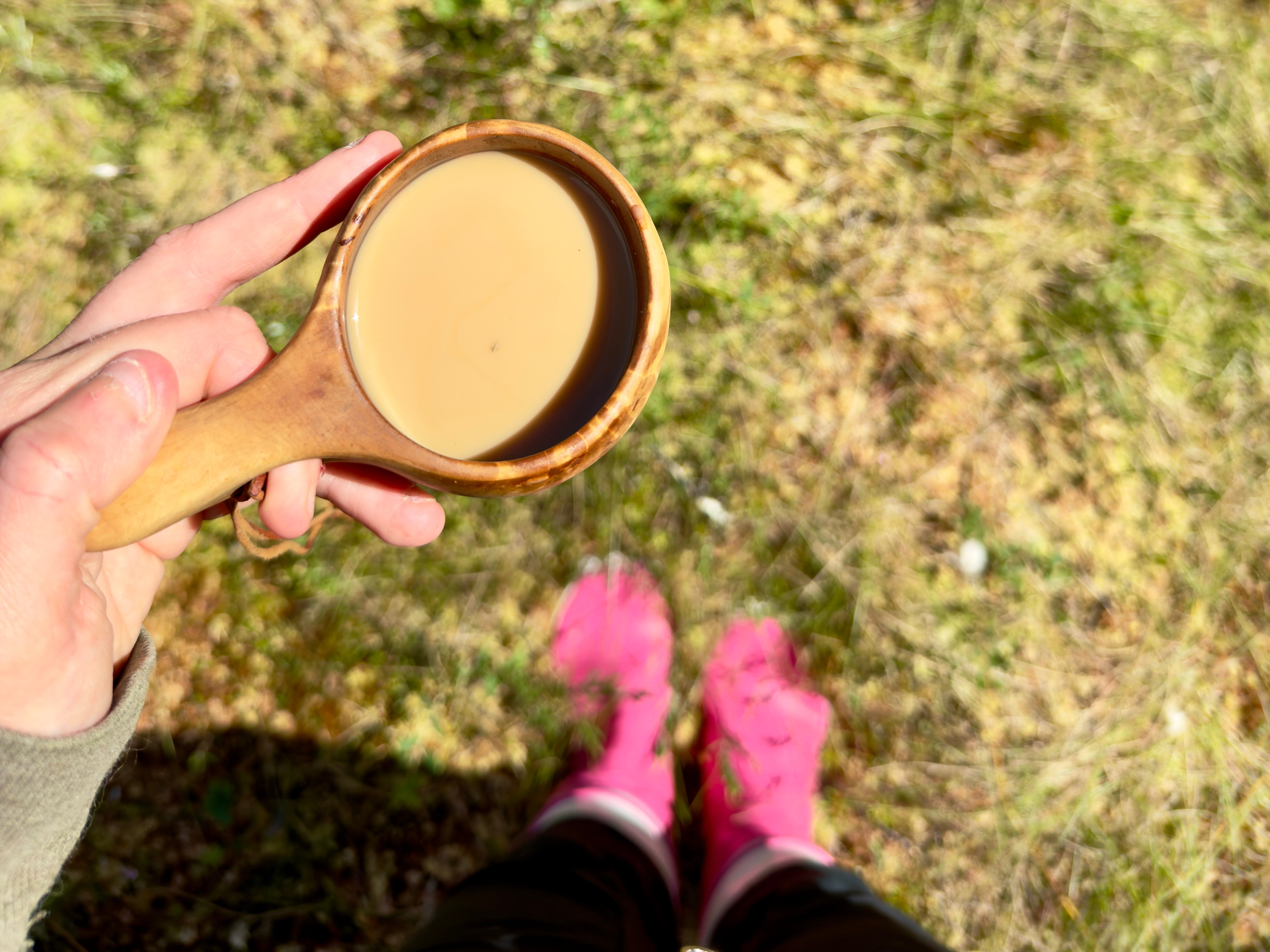
At this stage, the Bog Operations Lead required — and proceeded to take — a coffee break.
Horsefly presence was estimated at approximately exactly one hundred individuals, all circling the research team. The Junior Botanist found this extremely aggravating, having come here to examine plants, not insects. She stated: “I wish I were a horsefly so I could bite these horseflies back.”
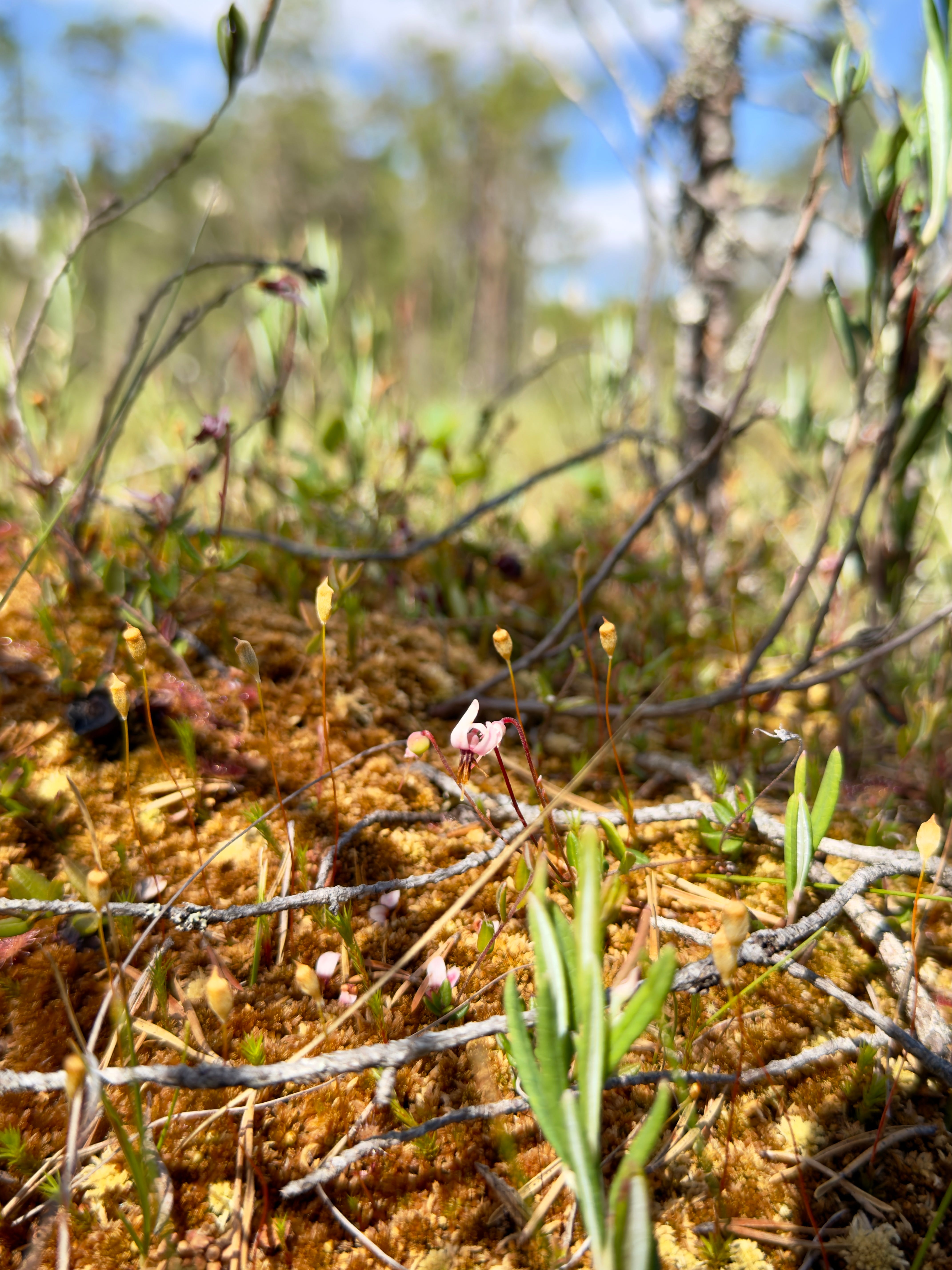
Cranberries were also observed to still be in bloom. The Bog Operations Lead attempted to photograph them, but was interrupted, as the sounds indicated that the magnifying‑glass turn‑exchange was approaching.
At this point, the Bog Operations Lead observed that a brief additional training session was required, as the magnifying glass does not require direct contact with the eyeball.
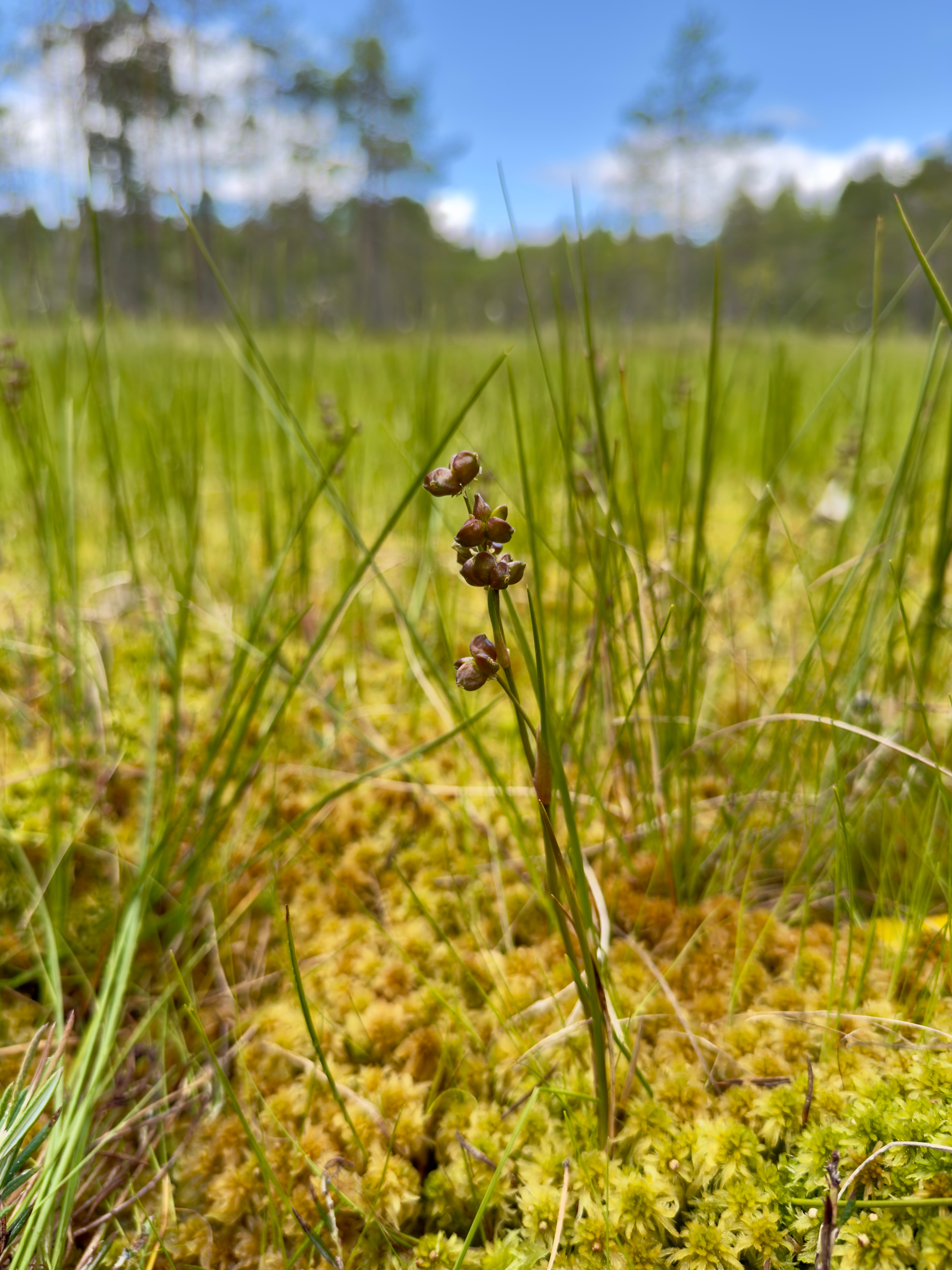
At the edge of the quagmire, the species Scheuchzeria palustris was observed — the sole representative of both its genus and its family. Its name was duly learned.
A sundew flower was observed for the first time, causing the research team to momentarily lose composure. All members, including the undersigned, wished to conduct their own investigations on it, despite the flower being small enough to make simultaneous examination impractical. Both the Field Assistant and the undersigned wished to photograph it.
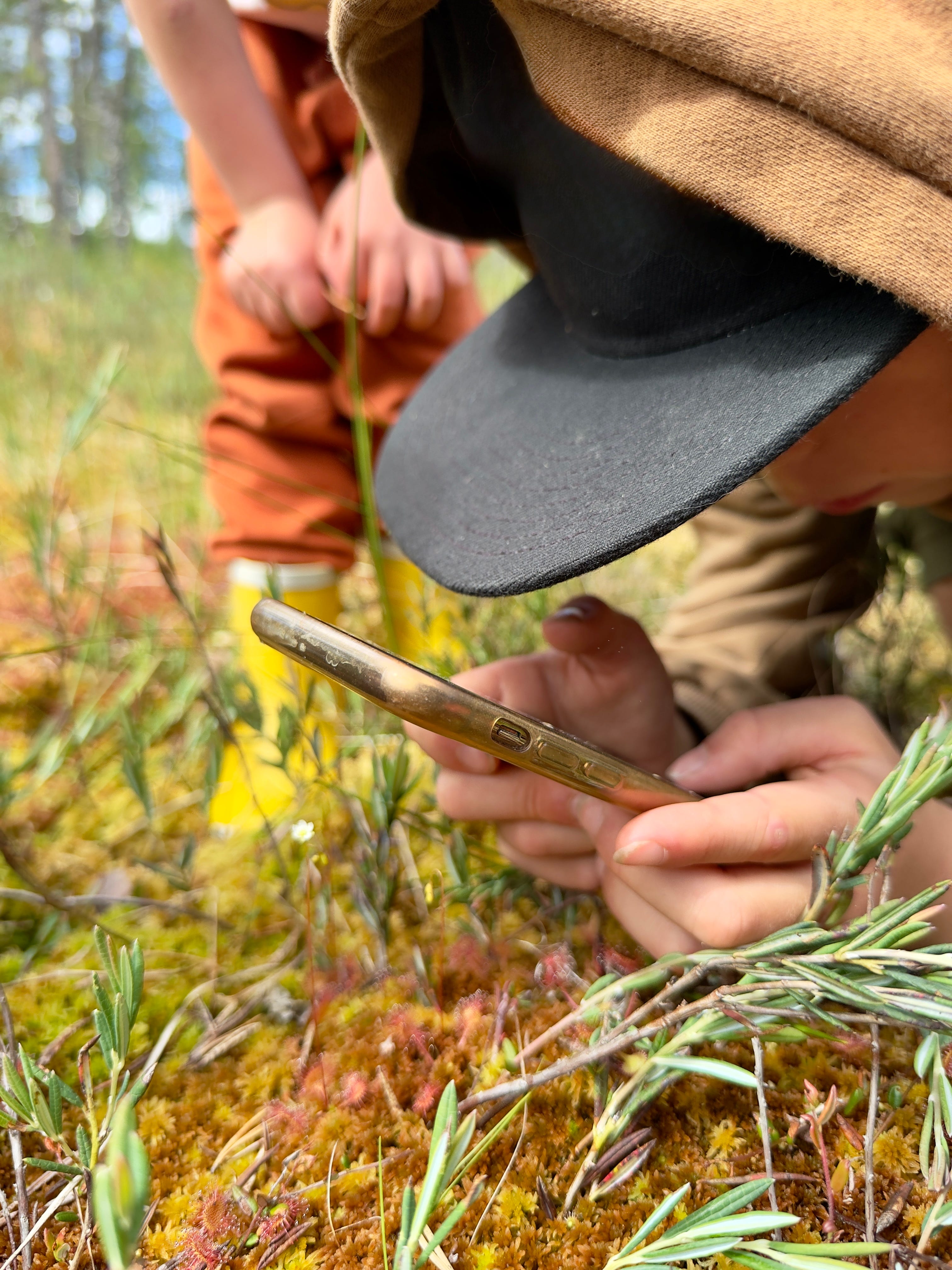
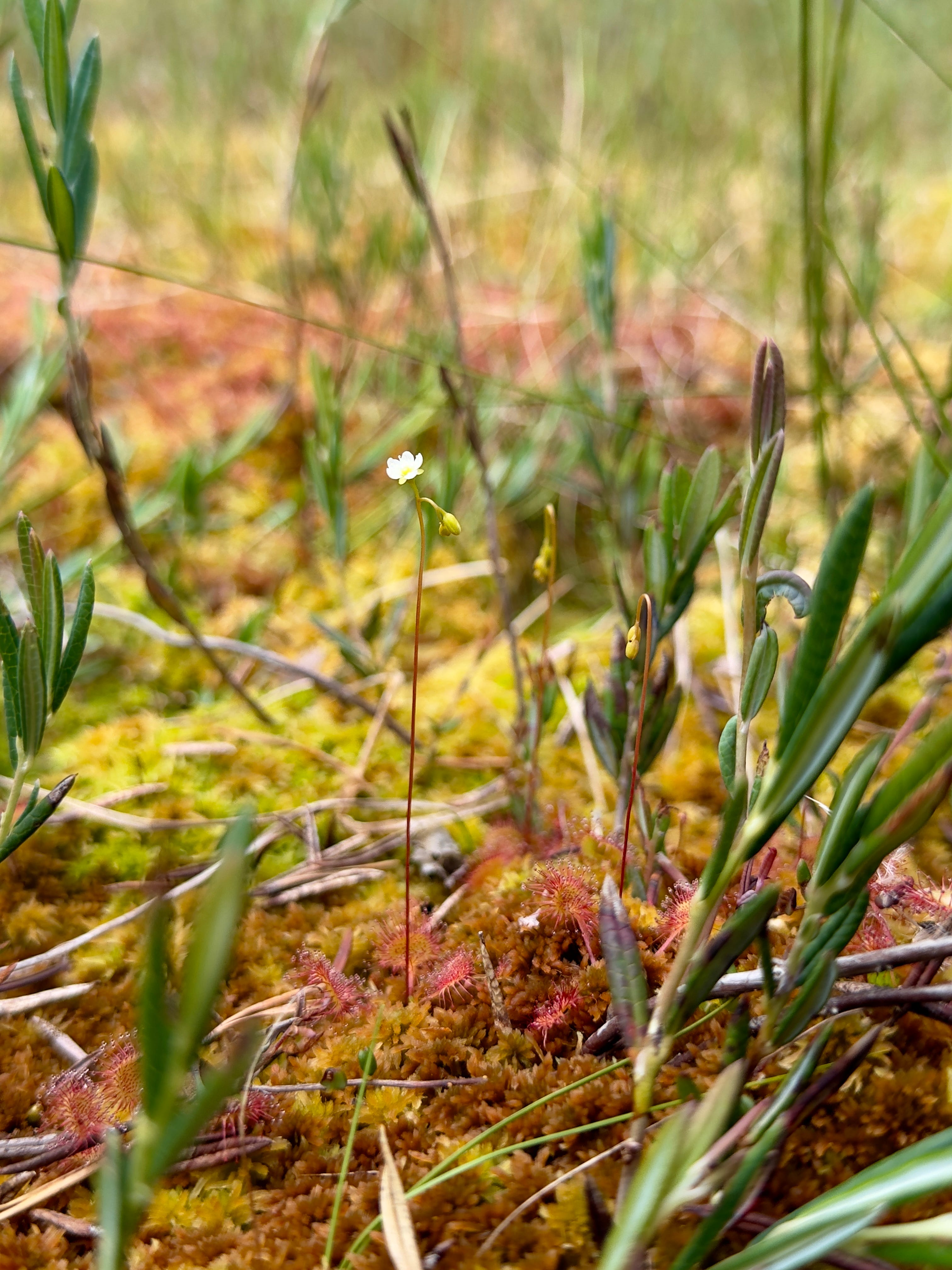
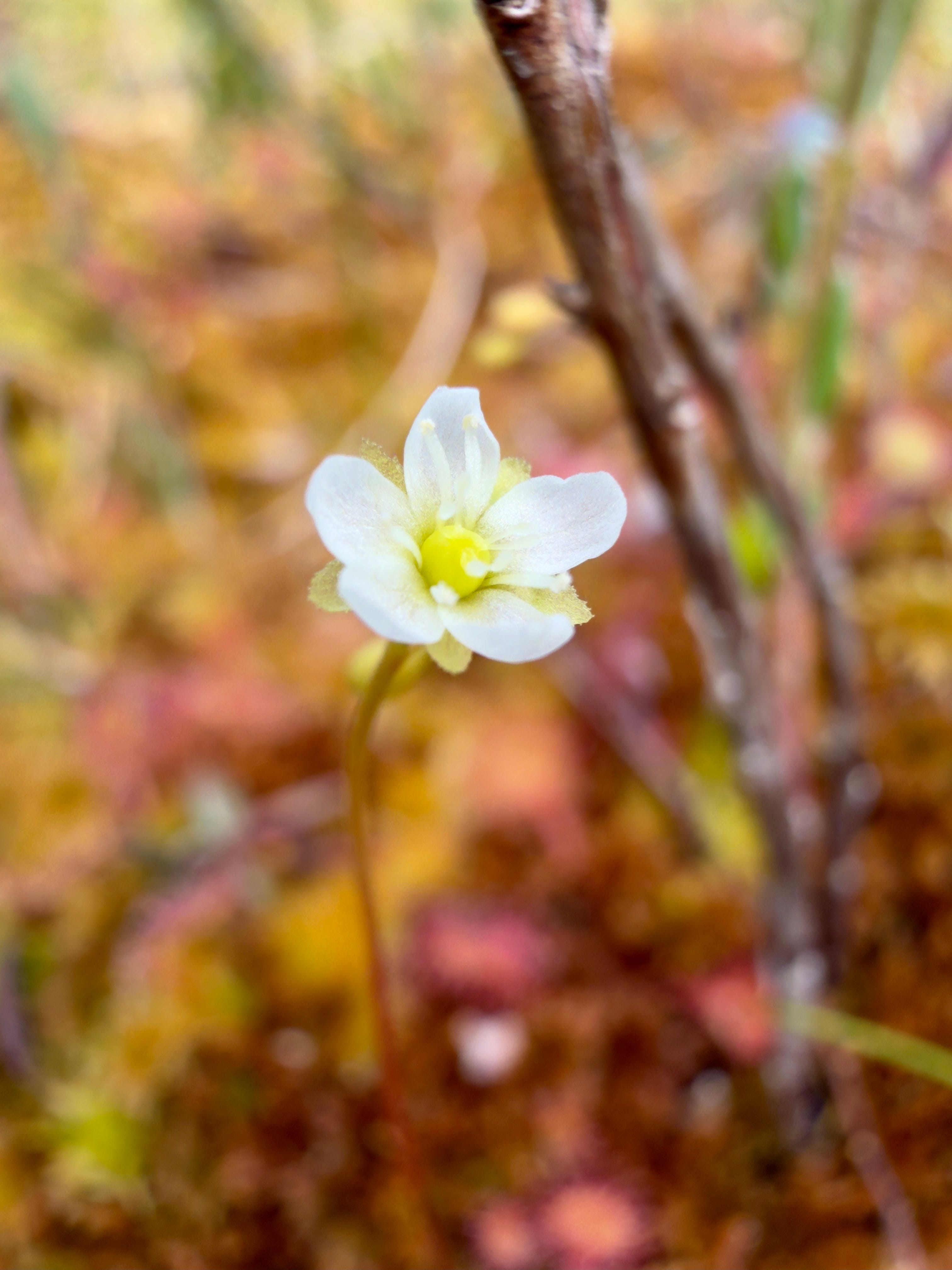
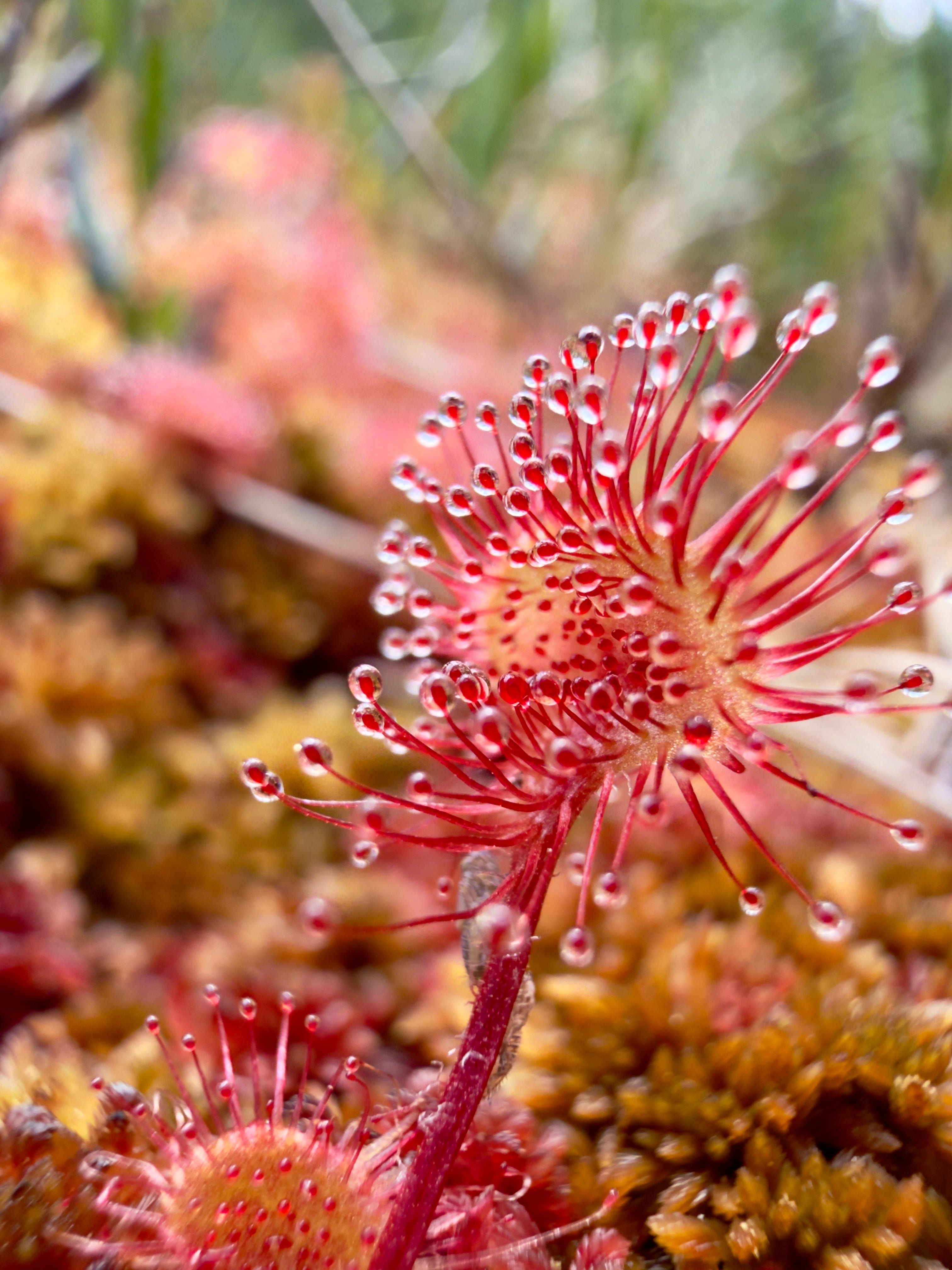
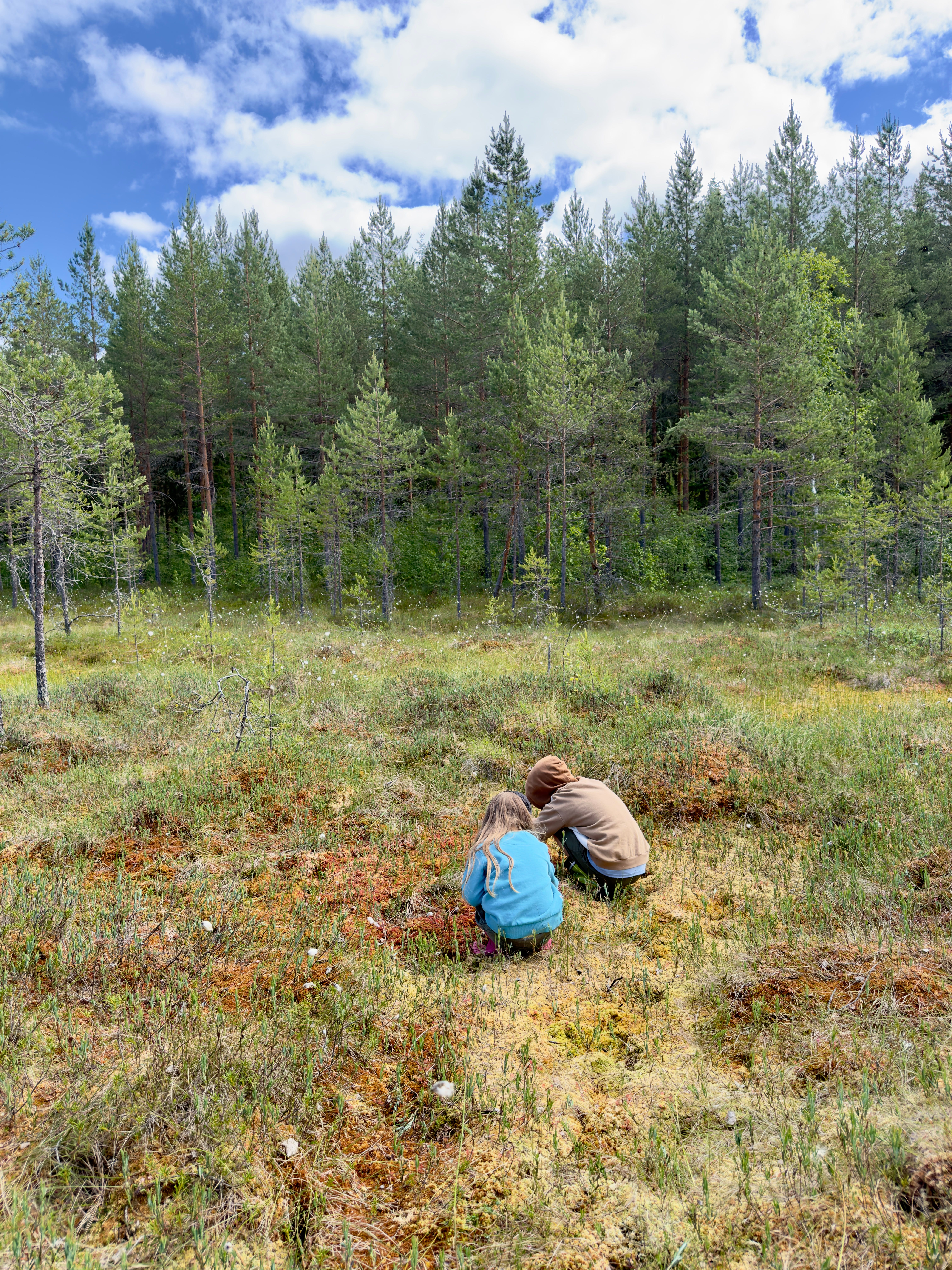
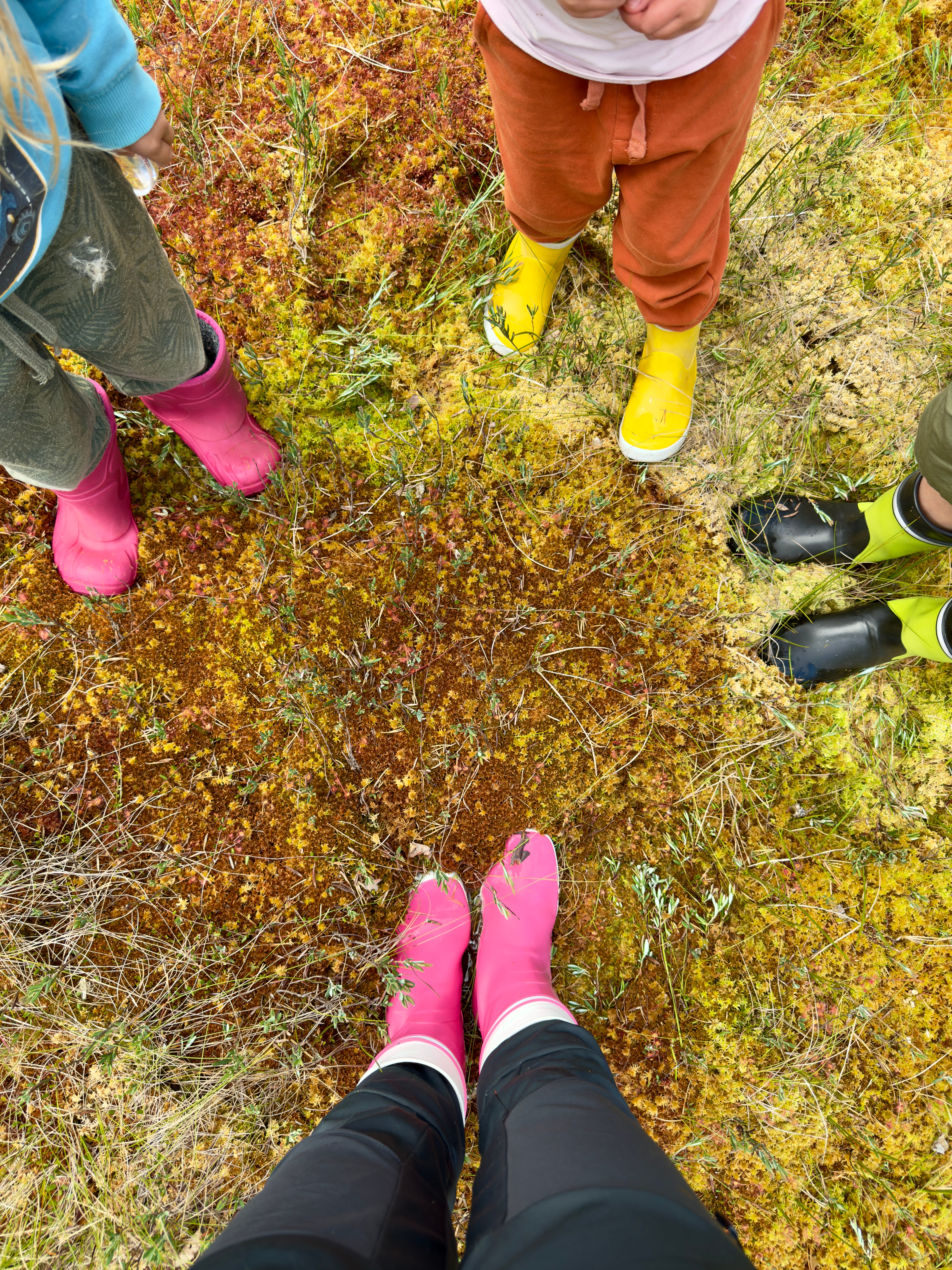
Meanwhile, the Junior Researcher made a feather discovery elsewhere, and during this time the Field Assistant, together with the Junior Botanist, documented the surface of the bog on film.
There was renewed discussion regarding the magnifying‑glass turn. The Bog Operations Lead was informed that the Junior Researcher currently holding it was not making any practical use of it, yet showed no intention of handing it over. The Bog Operations Lead’s attention capacity was severely tested as she attempted to determine who had held it, and for how long.
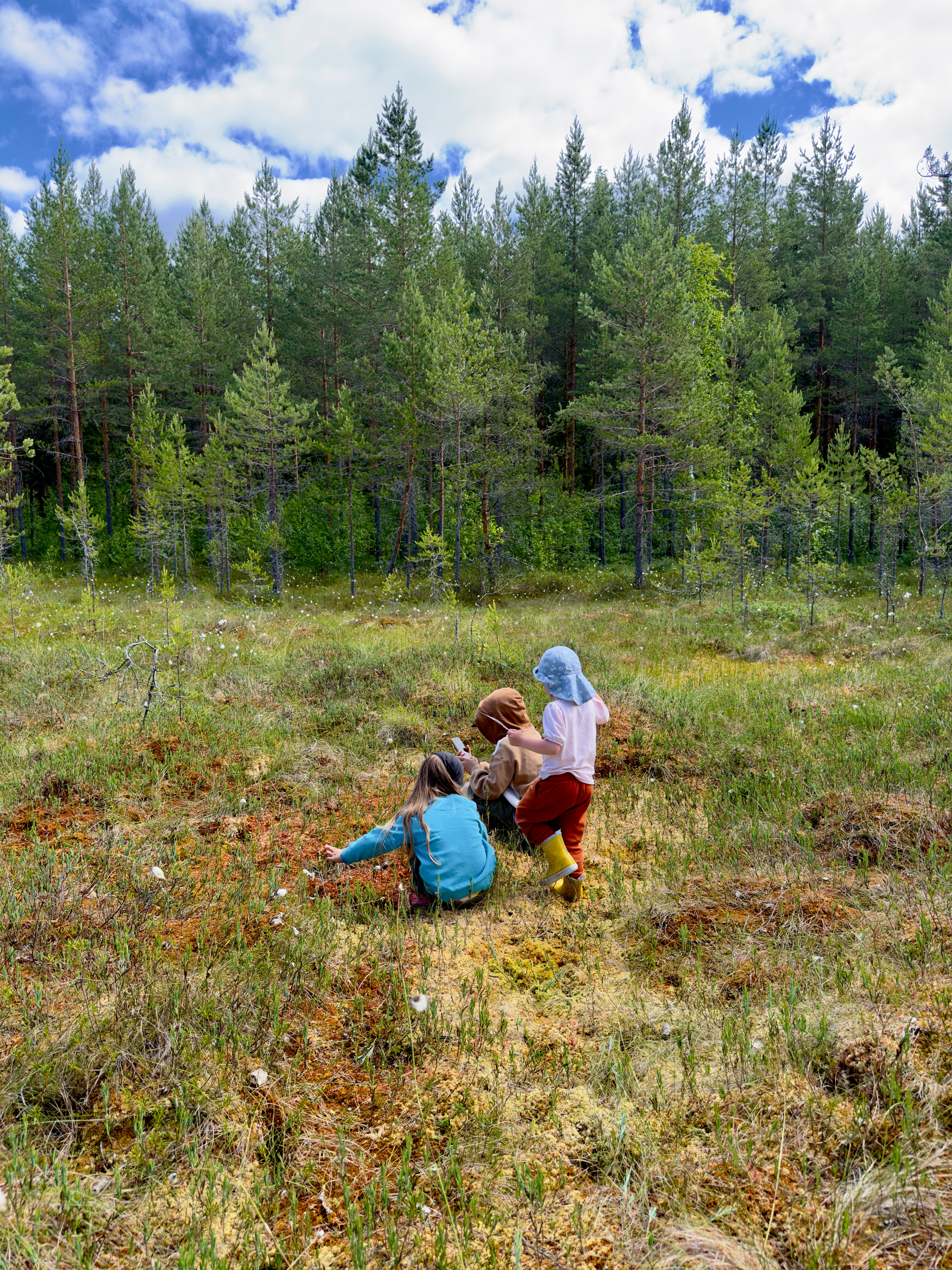
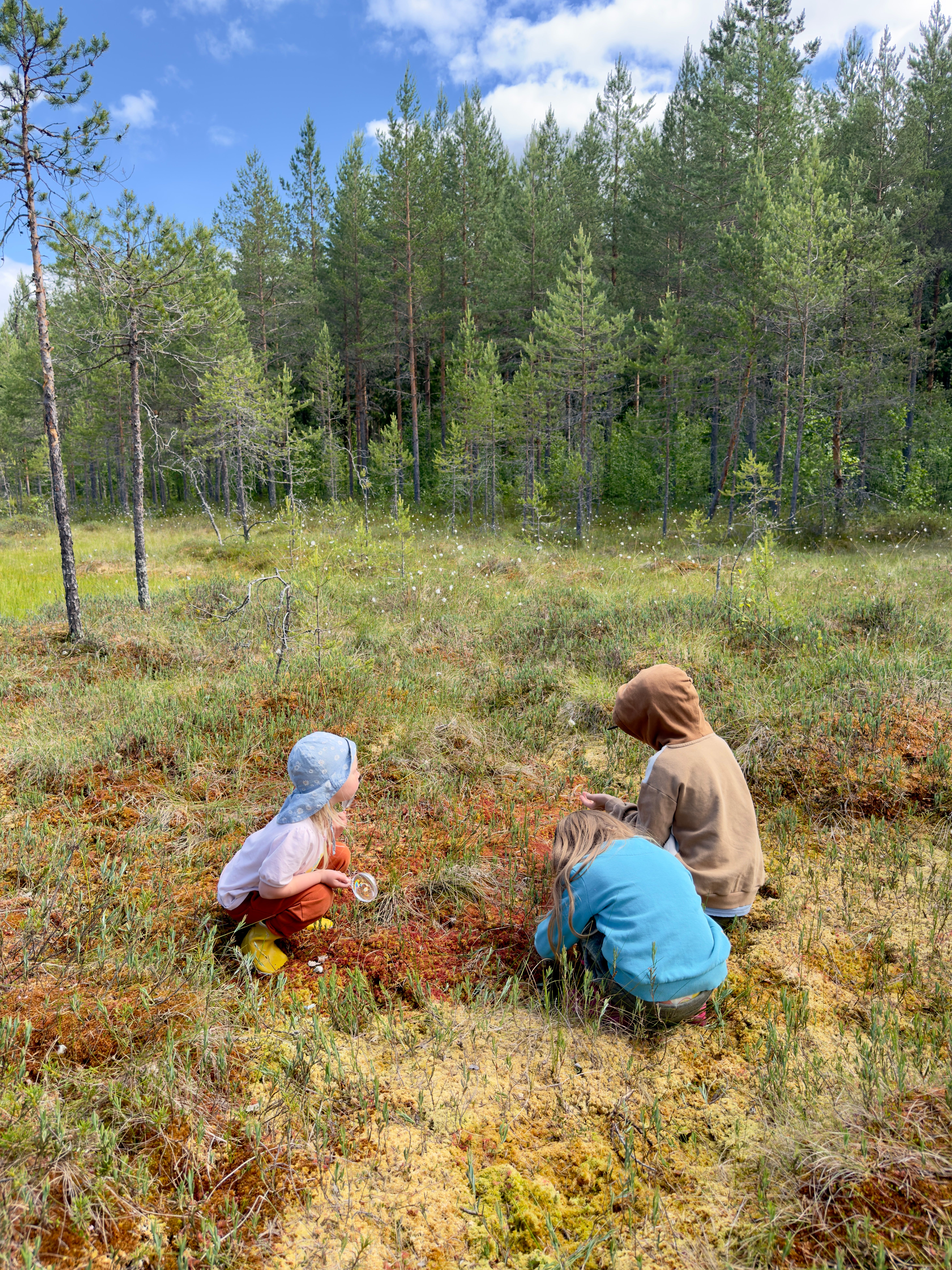
At this point a field‑ration break was taken, during which the undersigned had a second cup of coffee while the researchers consumed the bananas.
Then two observations were then made simultaneously: a bog‑rosemary gall, which had been specifically sought during the previous visit, and a hercules ant. Unexpectedly, the Junior Botanist displayed an interest in insects and expressed a desire to handle the ant.
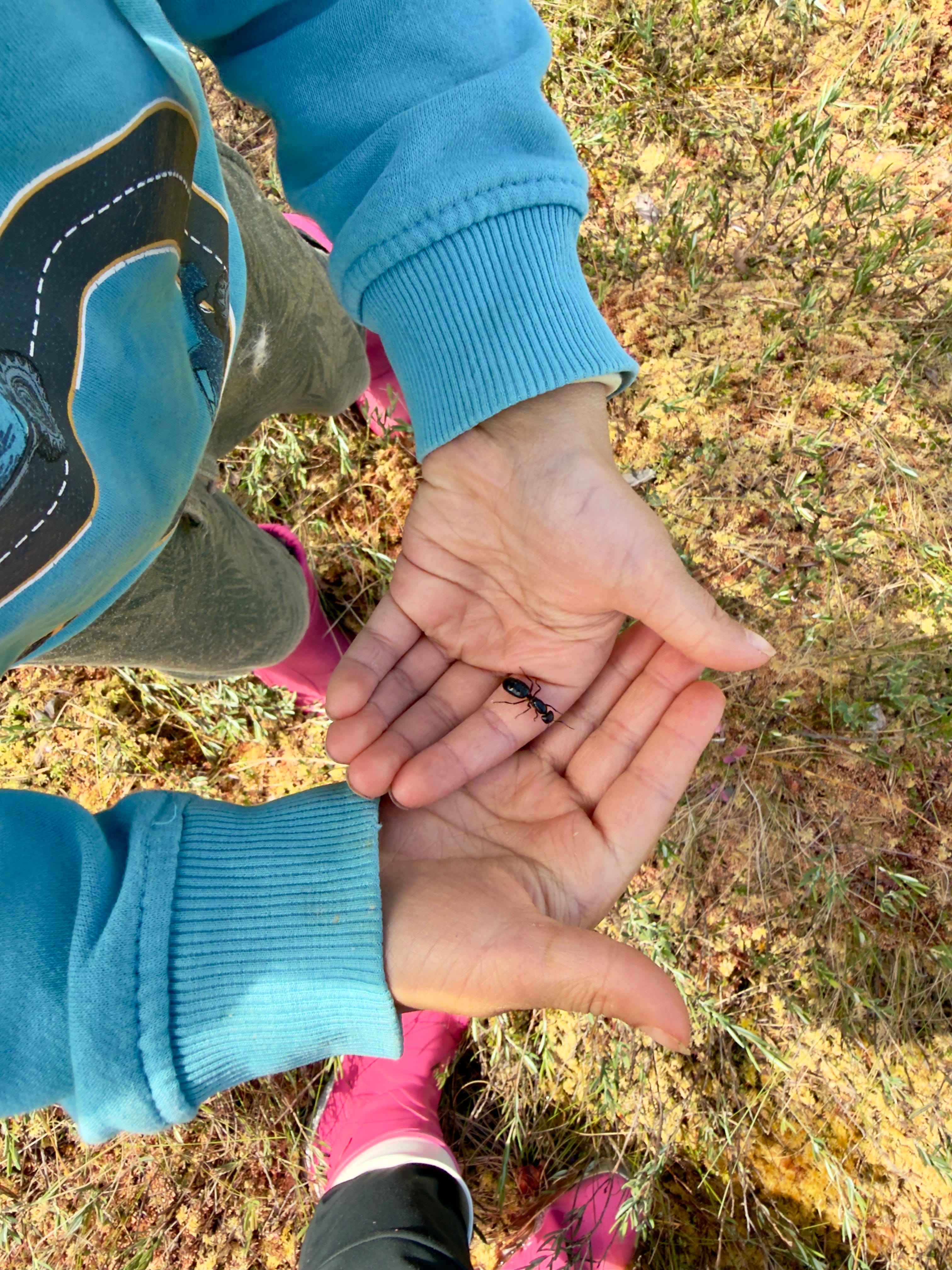
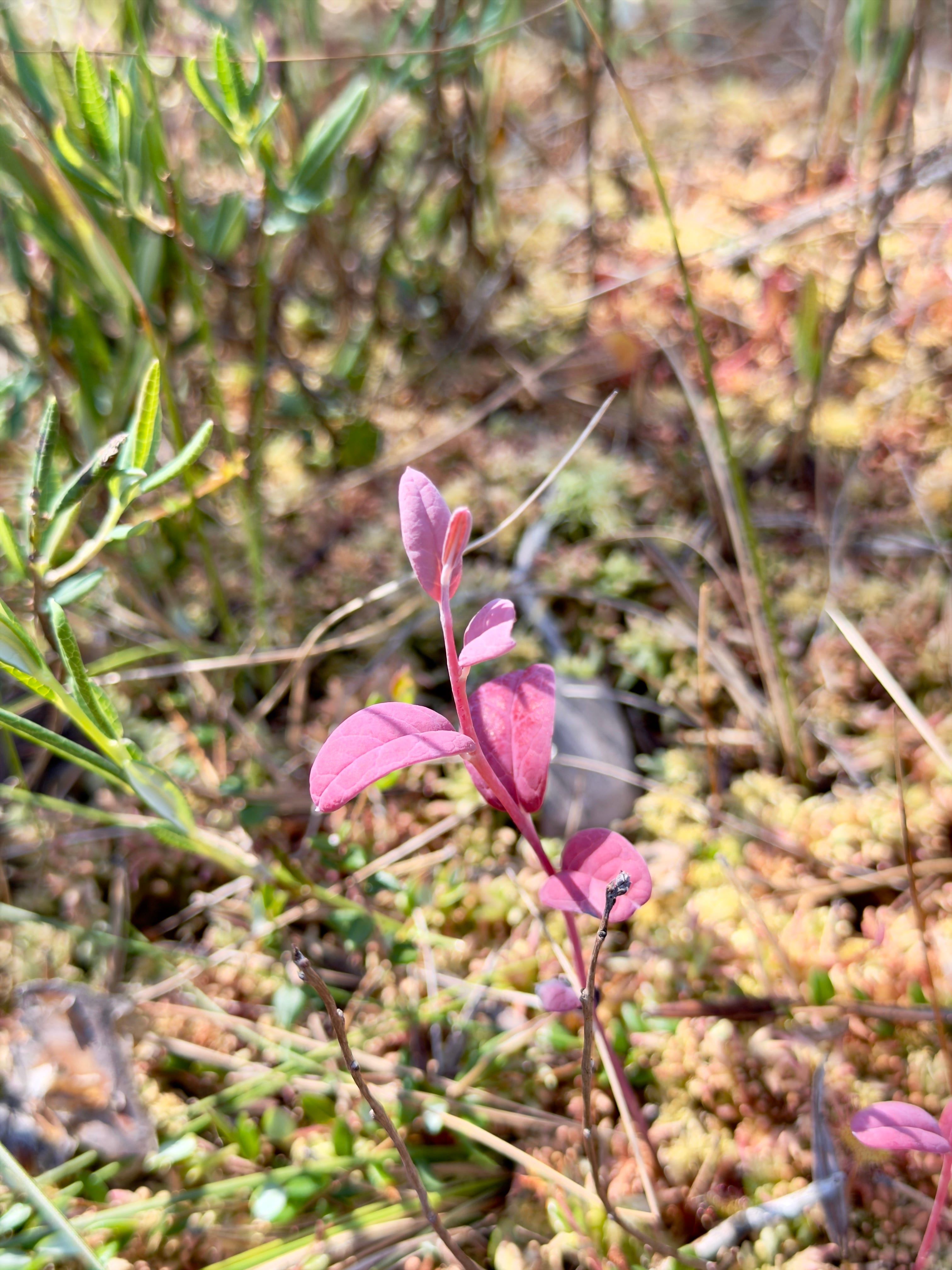
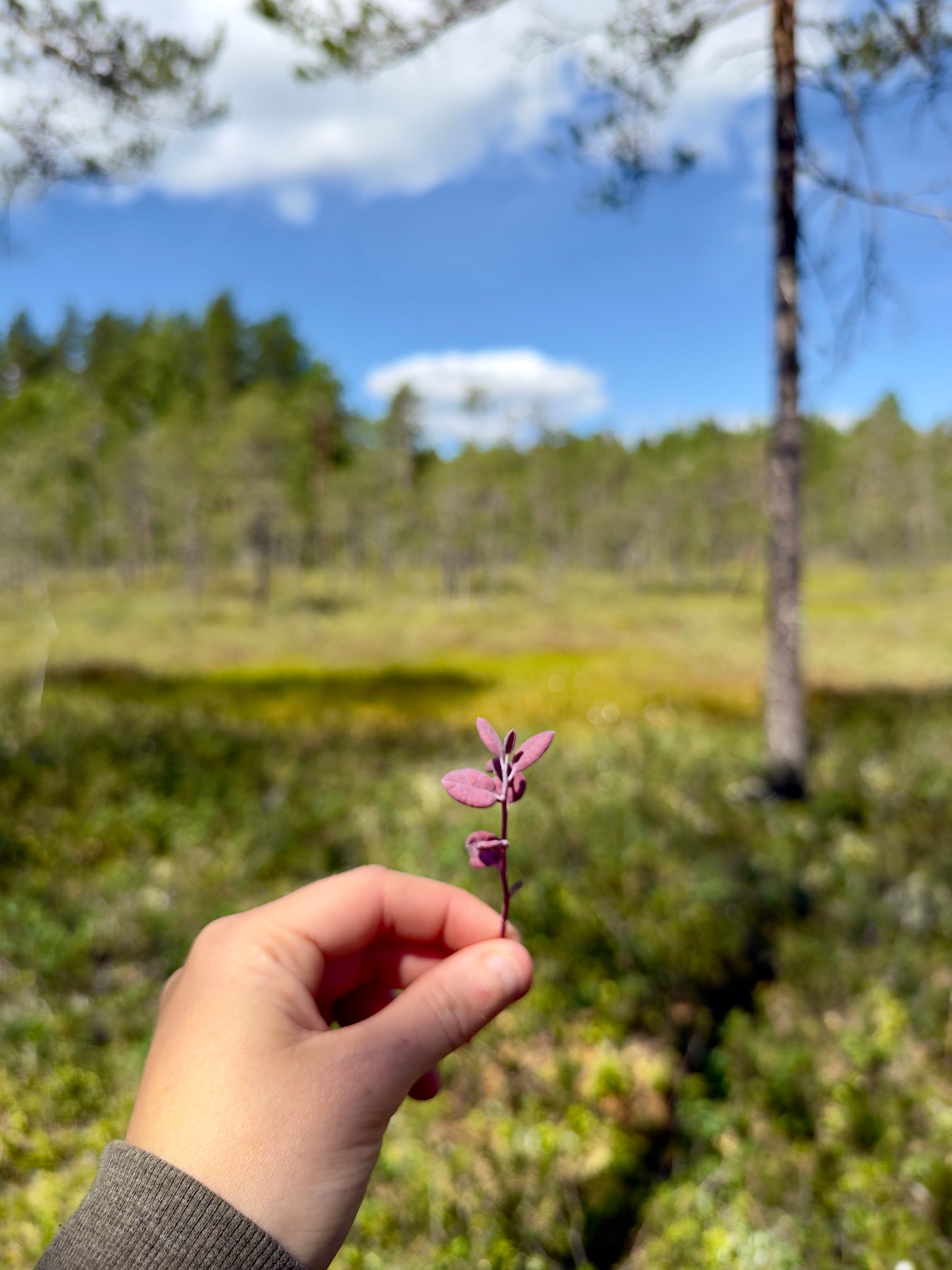
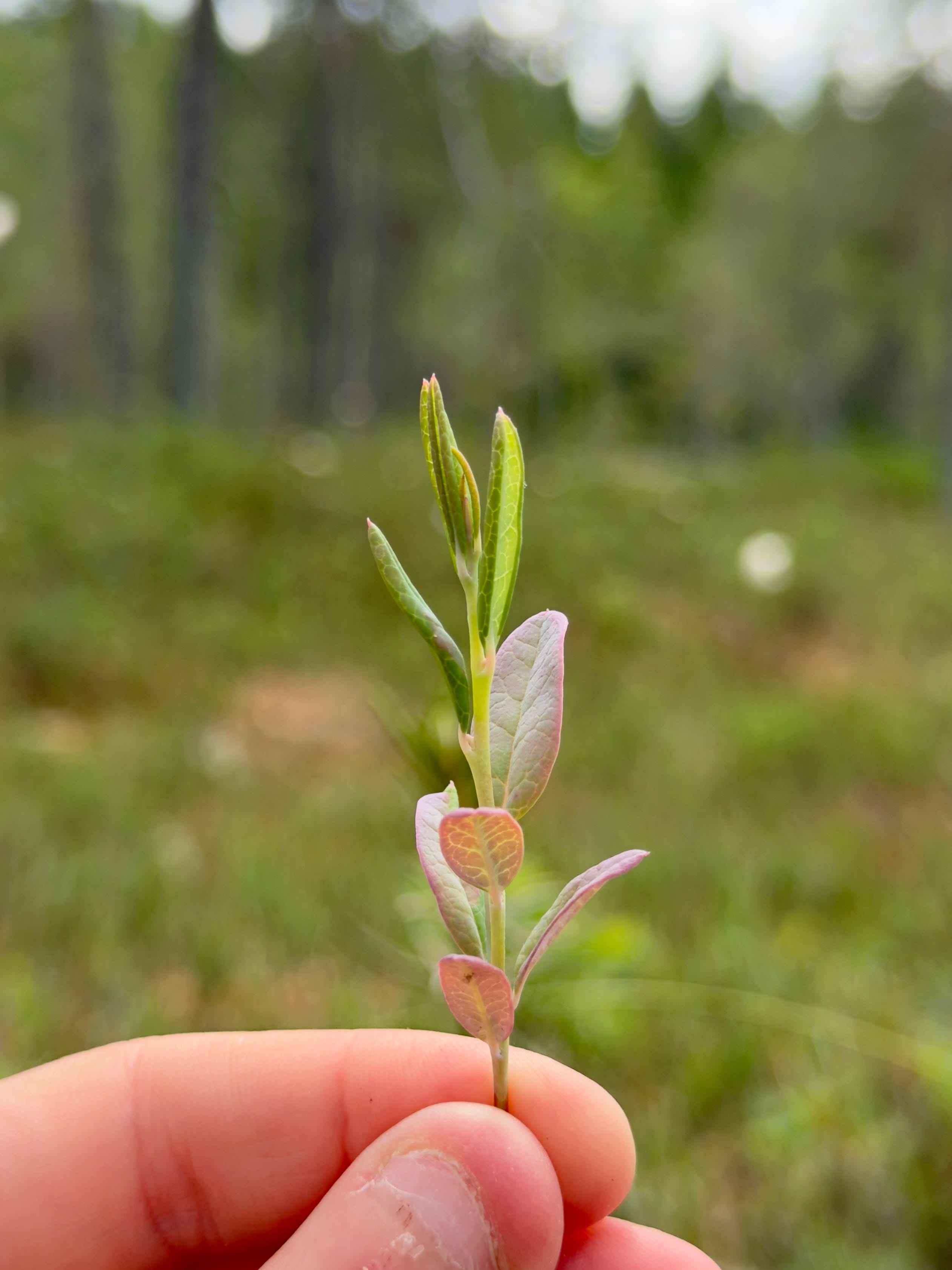
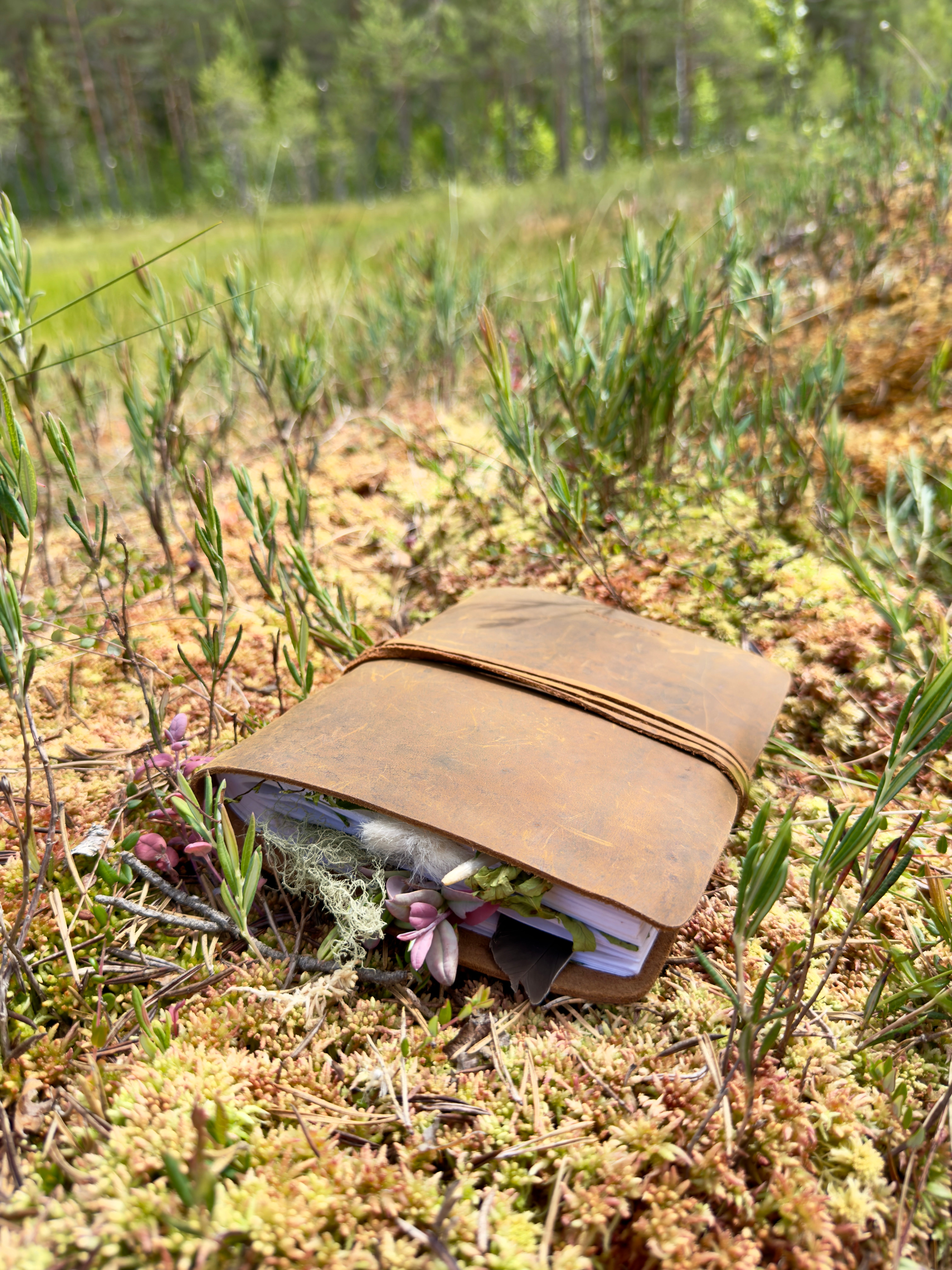
The Field Assistant, having observed the initial bog‑rosemary gall, proceeded to identify and locate a second gall specimen — the very objects the team had come to observe. Both samples were deposited between the pages of the Bog Operations Lead’s field journal, where they will most likely remain unnoticed for an extended period.
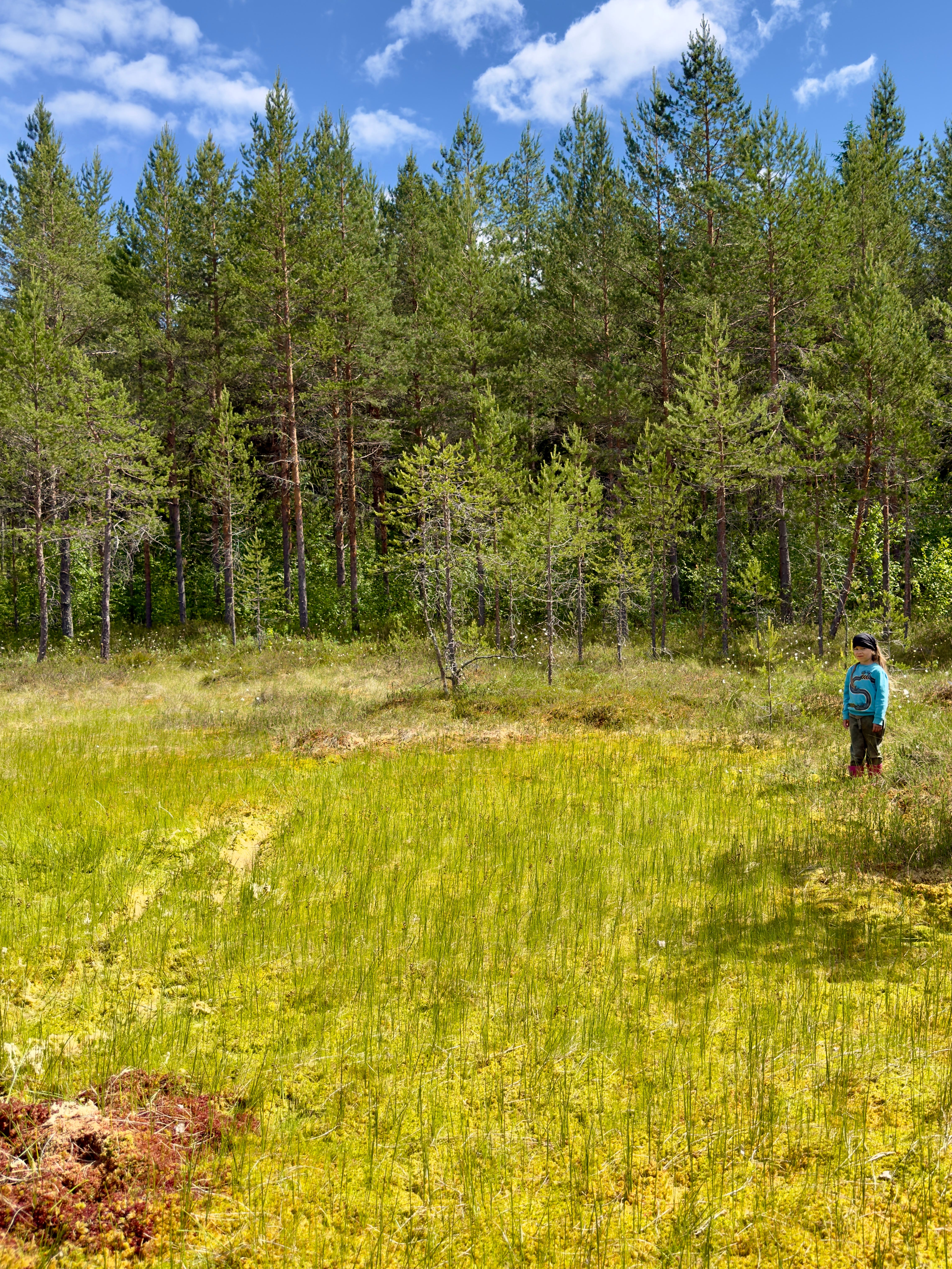
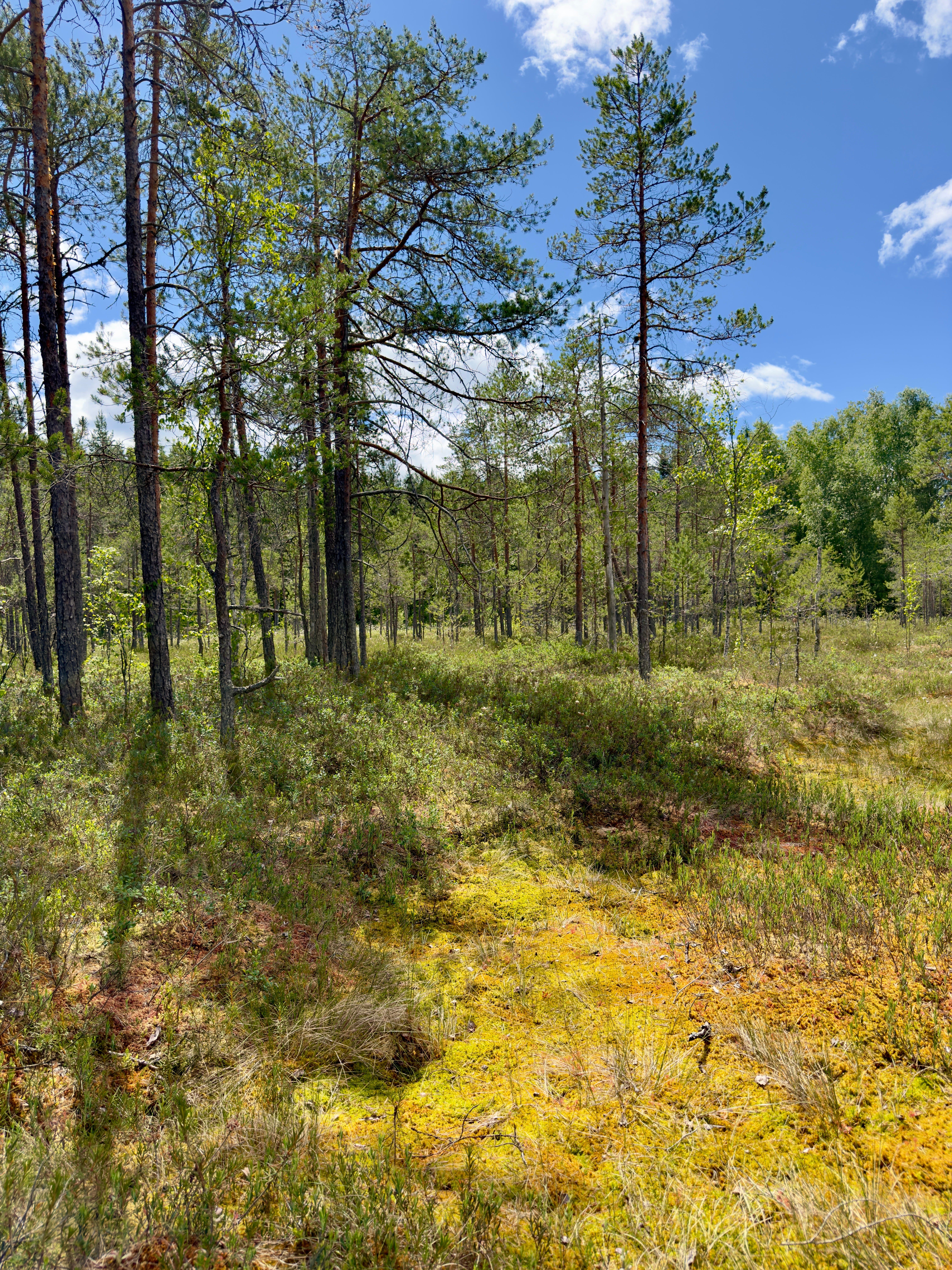
The most unusual discovery of the day followed. It was made by the Junior Botanist, who noticed two disturbed, parallel tracks on the surface of the sphagnum, aligned like wheel marks (shown in the image above on the left). Despite her young age, she is remarkably knowledgeable about storybooks and recognised at once that they belonged to the Ghost Carriage from one of Tove Jansson’s Moomin storybooks, which the carriage is likewise described as travelling across a bog.
She was entirely confident in her observation and would have preferred to follow the tracks. However, the expedition had been carefully planned, and its funding allocated for a different purpose, so the original plan had to be maintained. The food supplies had already been eaten as well.
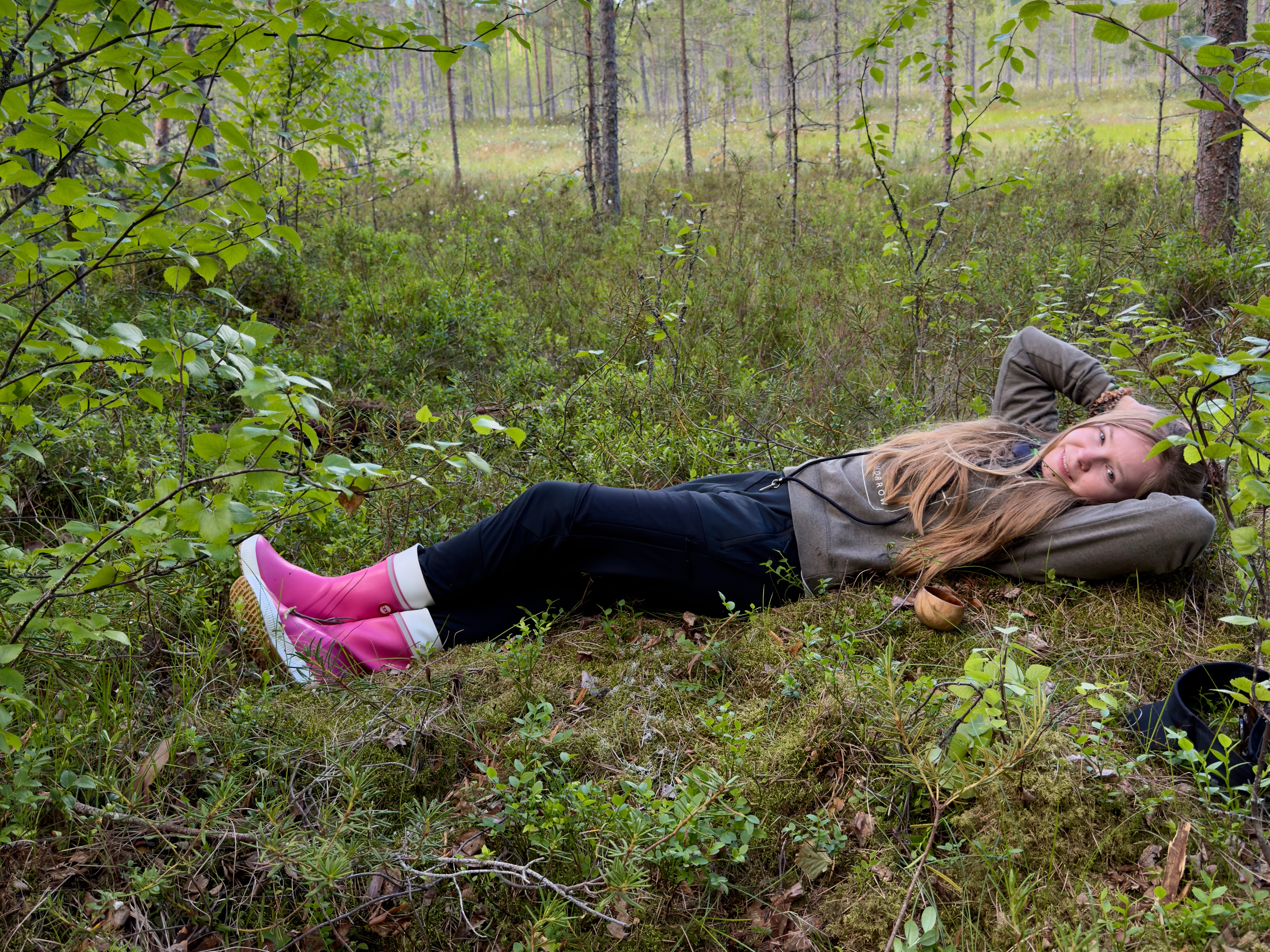
The fieldwork was now approaching its final stage. To conclude the successful expedition, the researchers wished to take photographs of their Bog Operations Lead reclining at the edge of the bog, each taking a turn.
The photography session proved lengthy, as every researcher insisted on taking multiple shots. When the subject finally stood up, she discovered that she had been reclining on a European fire‑ant nest. The research team found this exceedingly amusing, but the undersigned disagrees.
In the photograph, however, she is still serenely unaware that negotiations with the ant army have already begun beneath her.
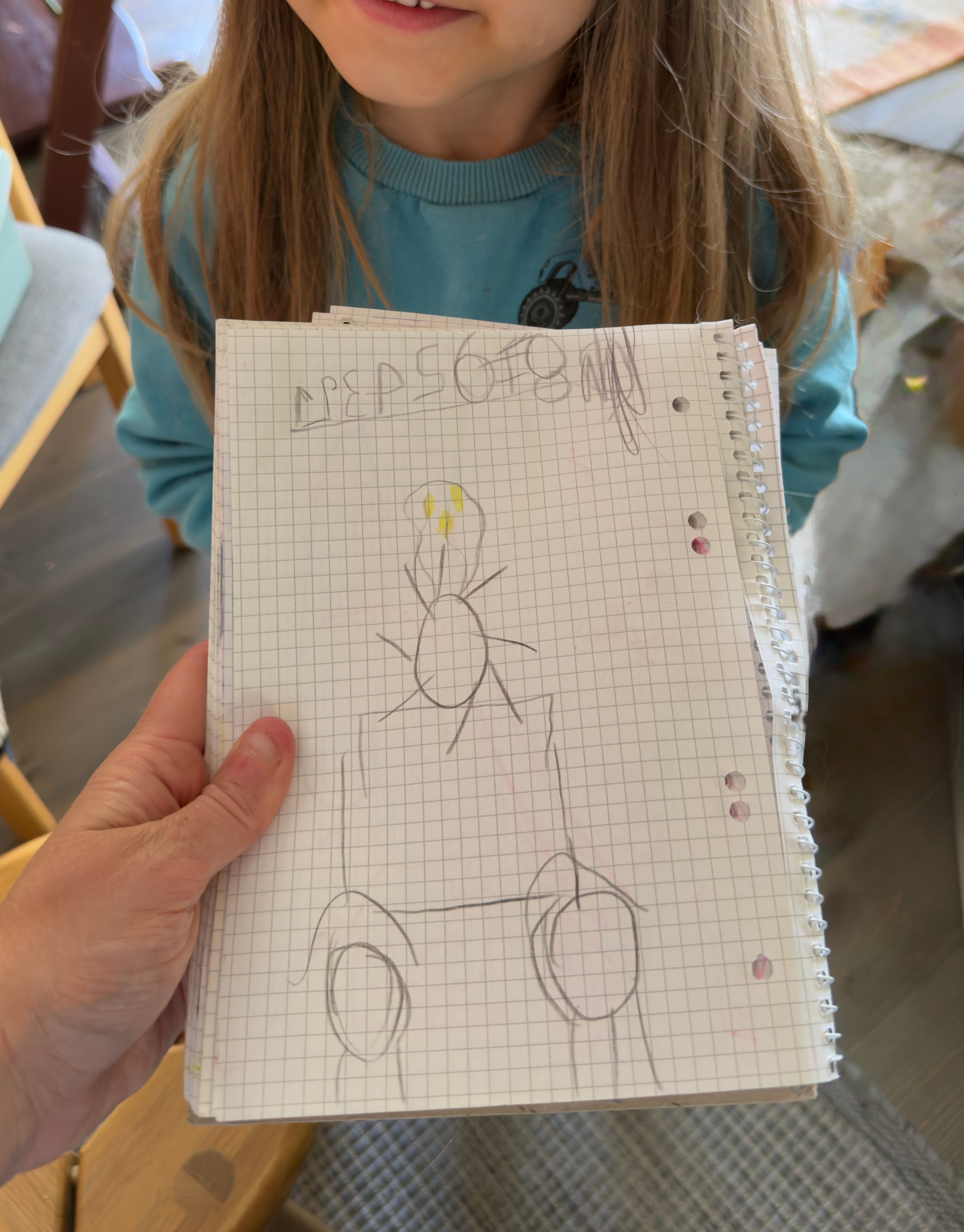
And at the end, a drawing of the Ghost Carriage, made by the Junior Botanist. The numbers show how long the tracks were — something she had very quietly managed to measure. A true researcher, I would say.

Keep this research team’s leadership sane — buy me a coffee.
This is too good! What a perfect description of a family immersed in and learning about the nature in which they thrive. I would suggest that this grow into an illustrated children’s book.
What great childhood memories these kids are going to have!