

In the Woods, Among Mushrooms
Come along on a mushroom trip — I’ll show you what the Finnish forest has to offer

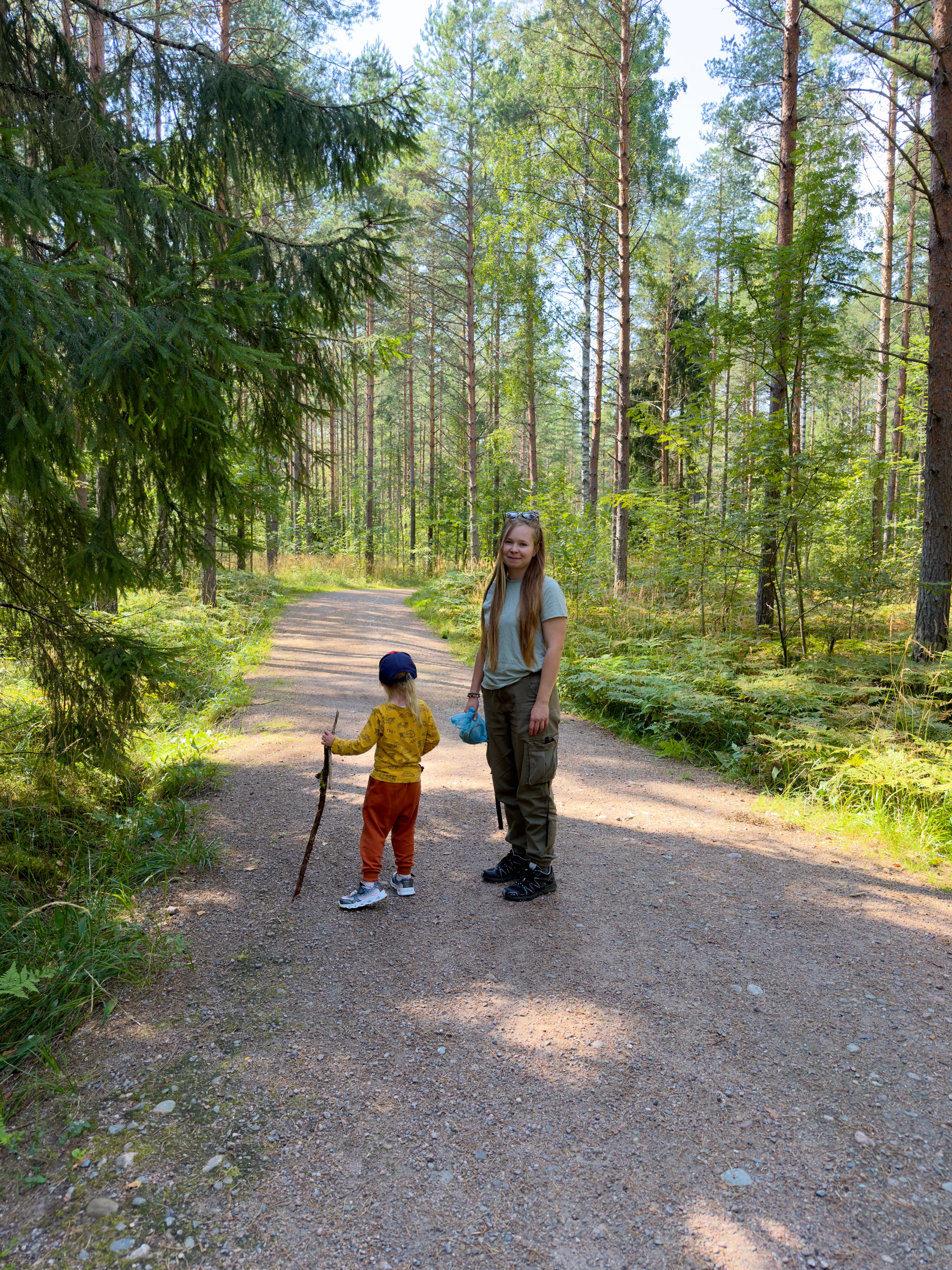
Summer vacation is over, and we’ve returned to everyday life. On our first day off, where else would we go but forest? We recently discovered a forest near our home that we’d somehow never noticed before. This is what our municipality calls a recreational area: a forest designated as a place for local residents to enjoy nature and spend time outdoors.
Finland is full of these kinds of recreational forests, which I think is wonderful. Almost everyone has easy access to nature and a forest, no matter where they live in the country.
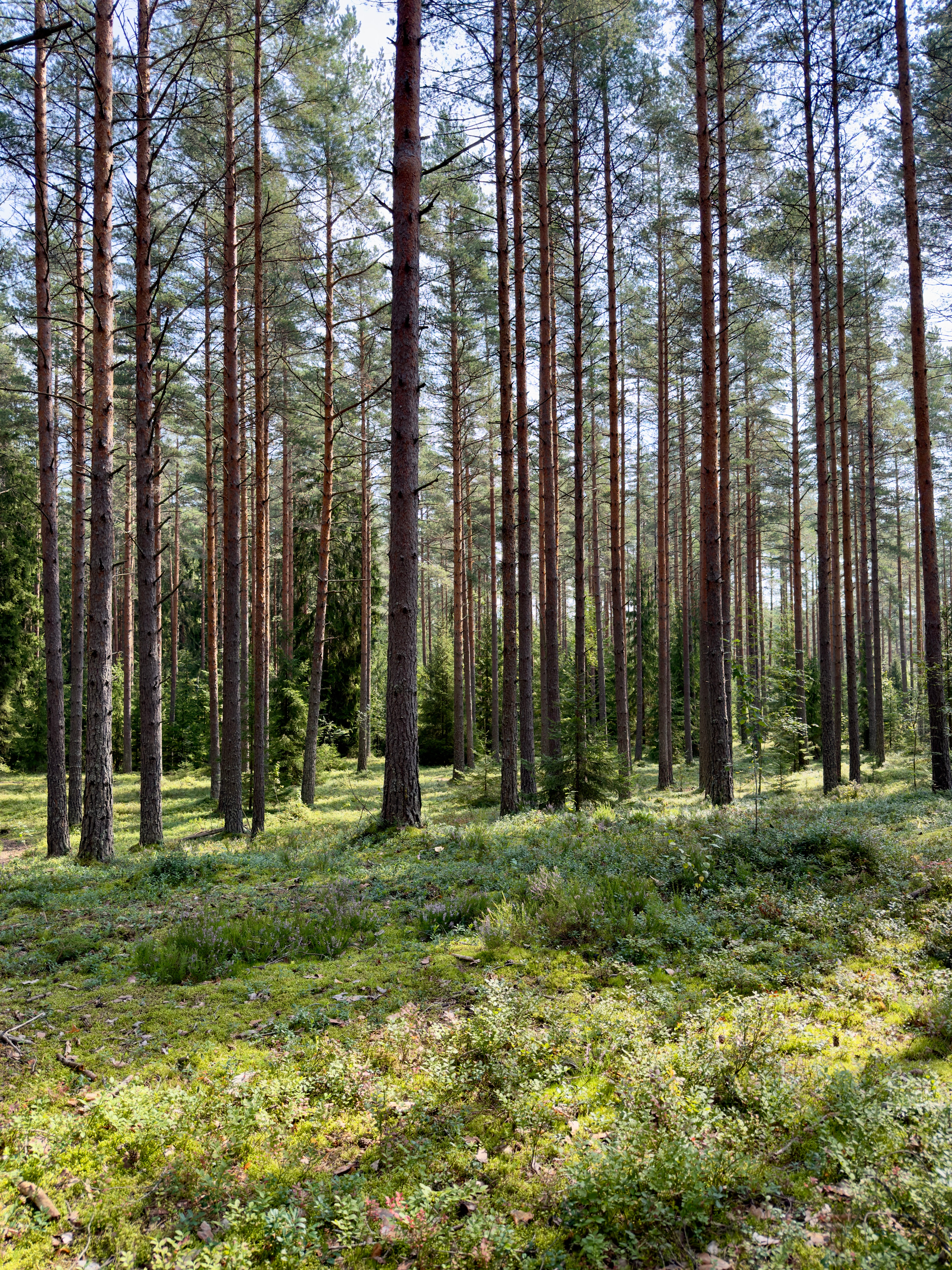
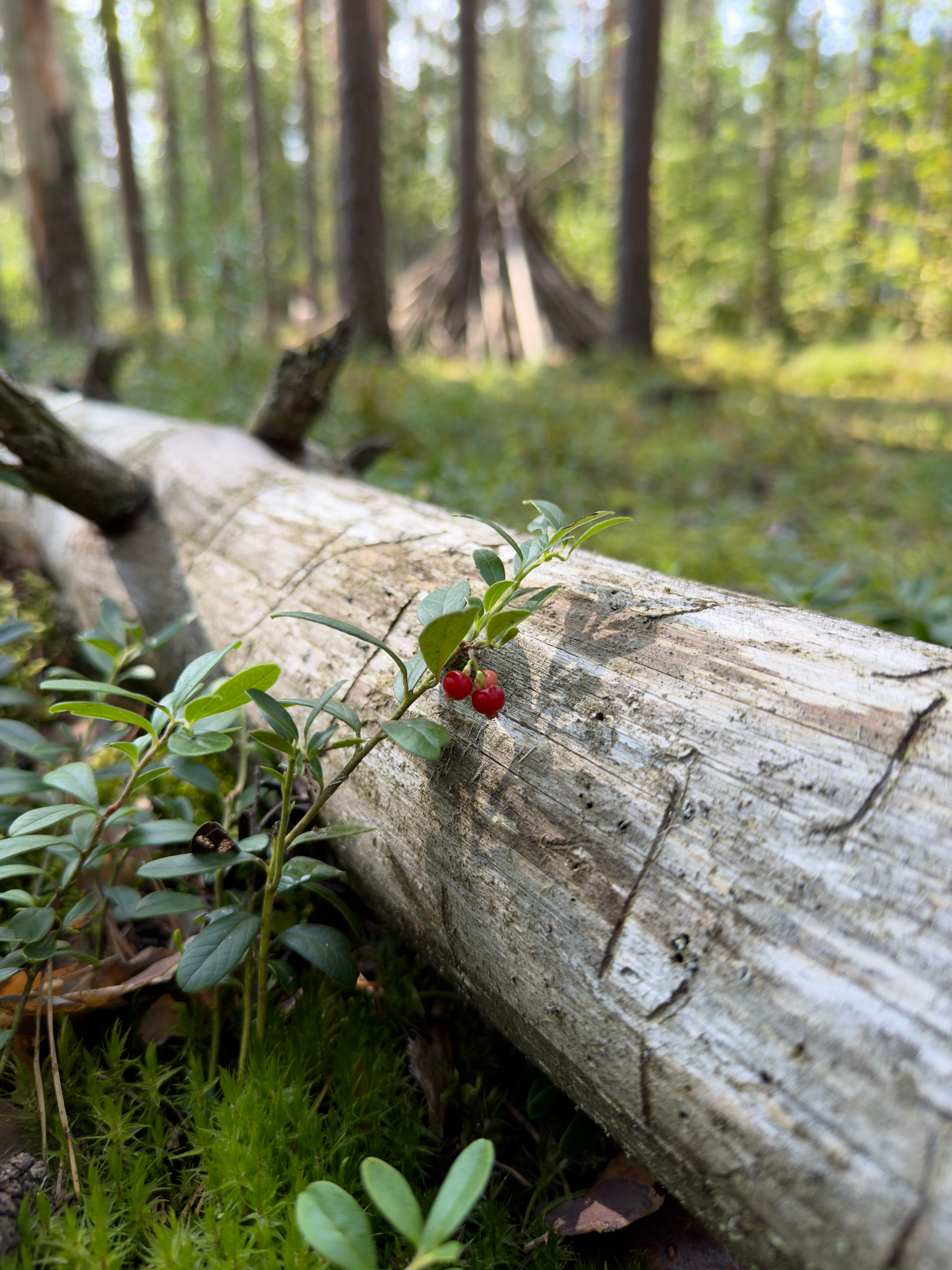
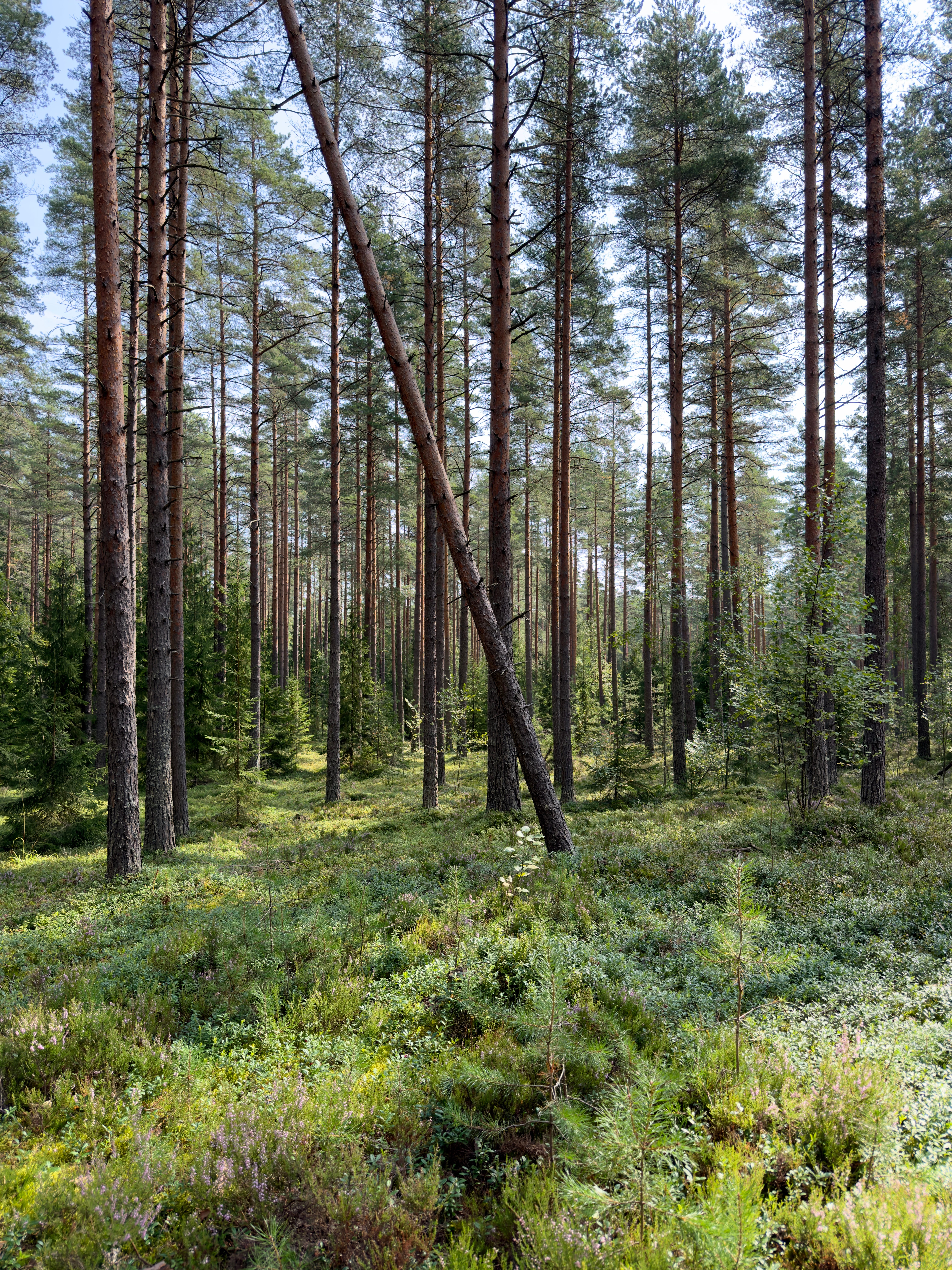
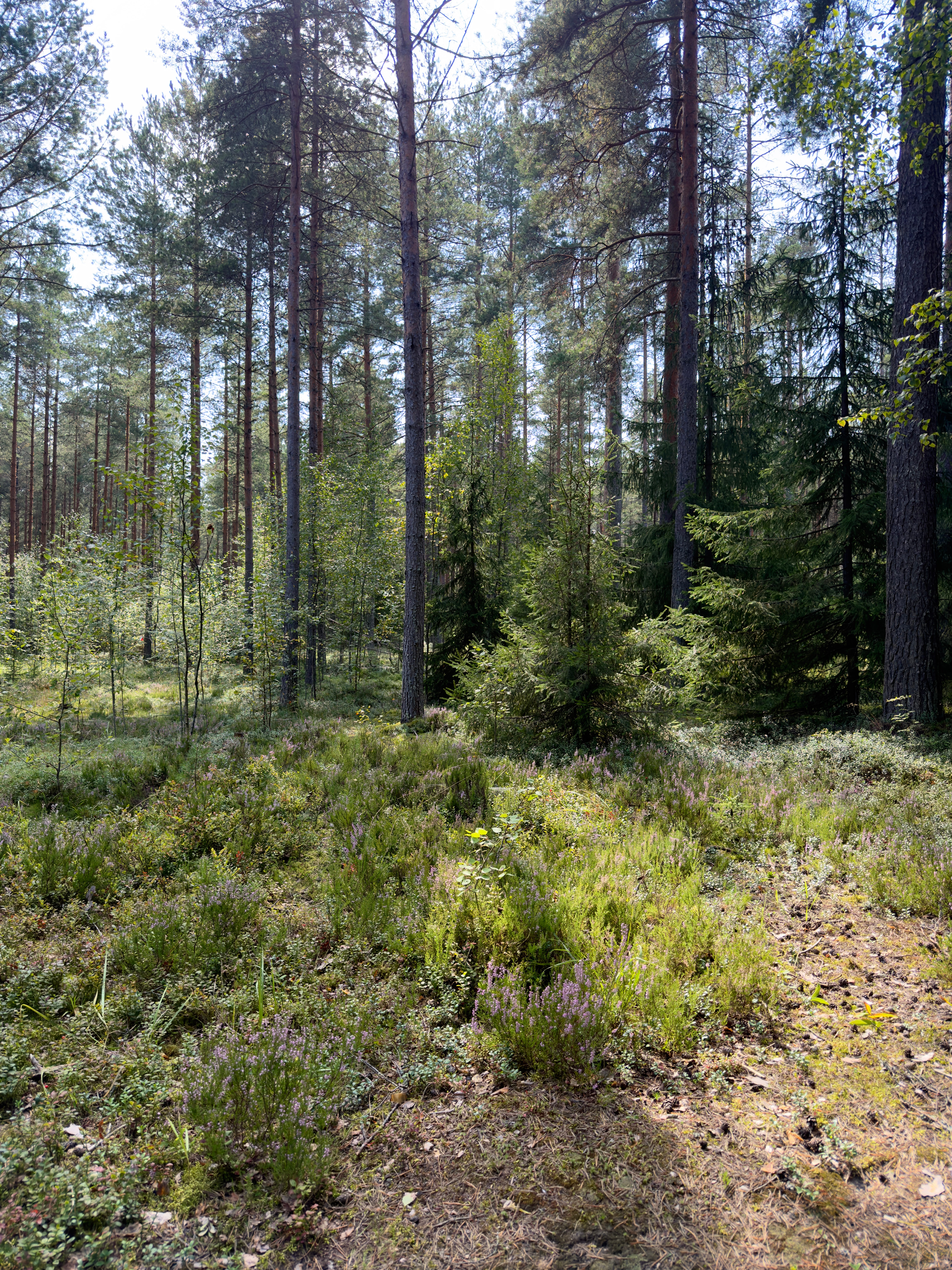
The day was sunny, and the forest was fresh and green. The air felt good to breathe, and the forest floor was still slightly damp after the rainy night. I felt lighter — even though summer is coming to an end, there are still so many beautiful days ahead. Actually, this time of year is wonderful in its own way. The mushrooms have begin to appear, the heather is blooming, and there is something lovely about this little transition between summer and autumn. I think I’m going to enjoy this season.
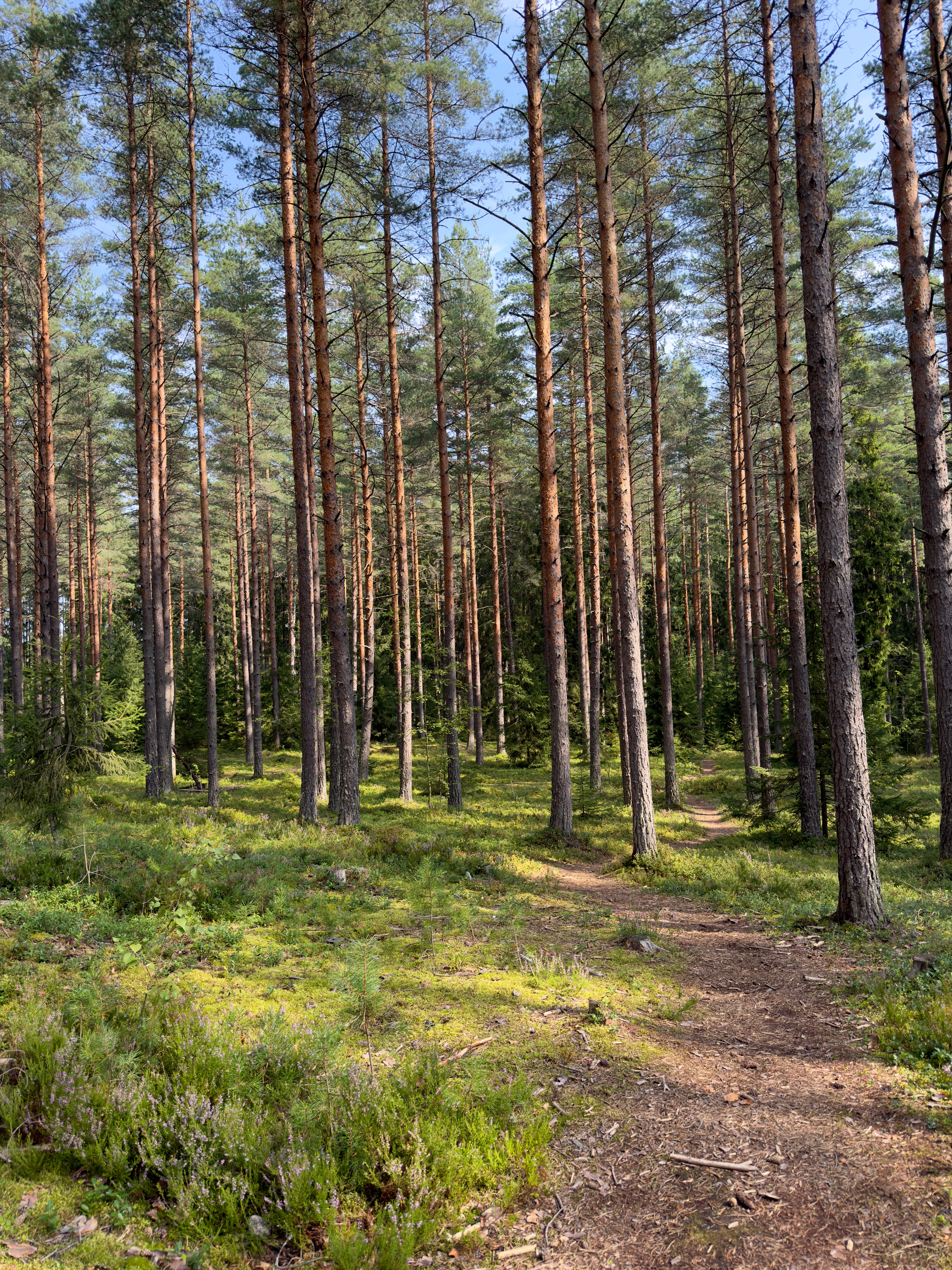
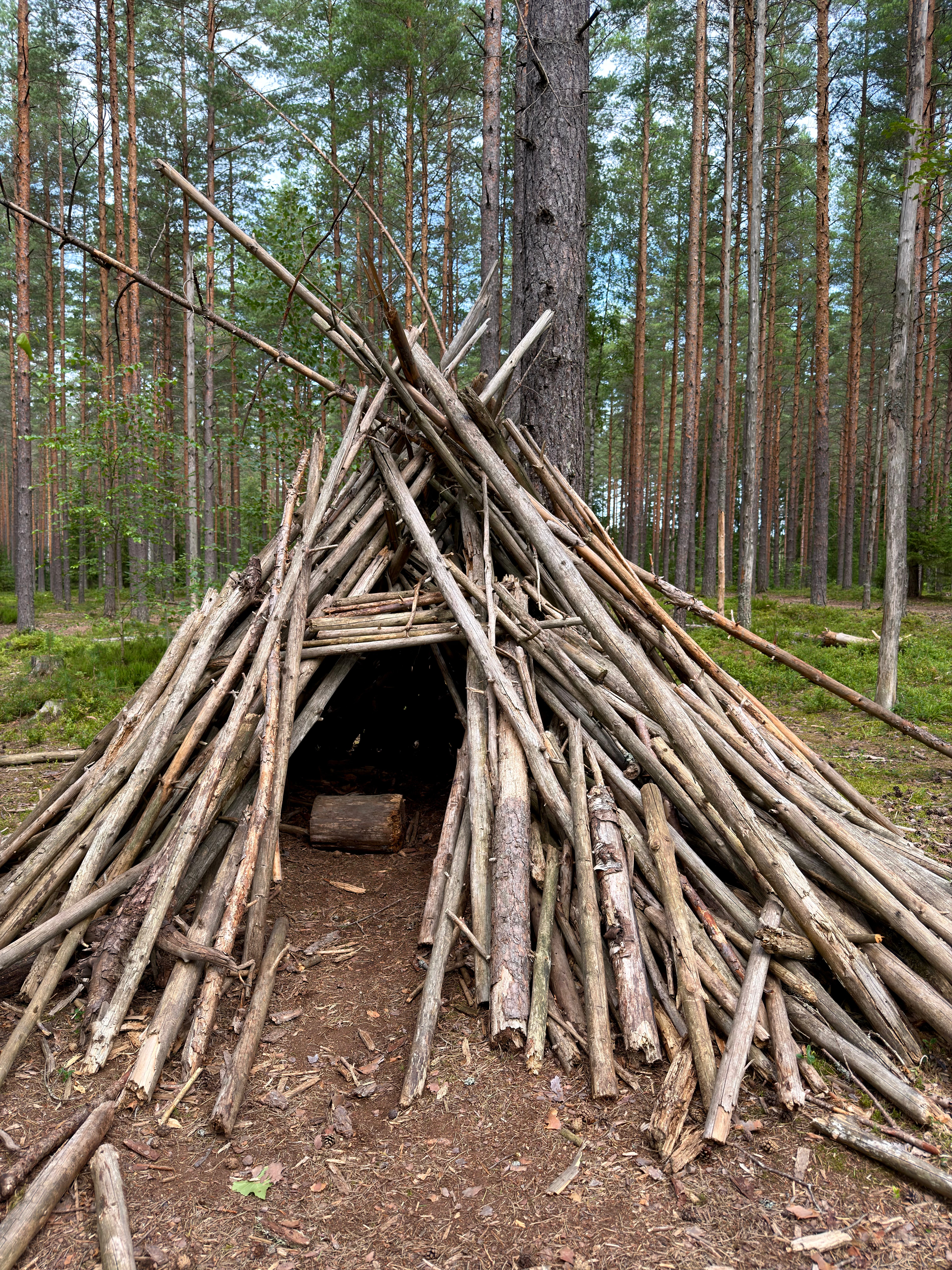
There are several of these wonderful stick shelters. This really is our new go-to forest. I can pack up the kids, some coffee and a book and come here to spend a couple of hours. We’ve made one of these ourselves sometimes, but the one in the picture is really sturdy. Usually, when the children see these, they start playing Stone Age, pretending it’s a hunting shelter or something similar. This time, the game was left unfinished before it had properly begun — we had come mushroom hunting.
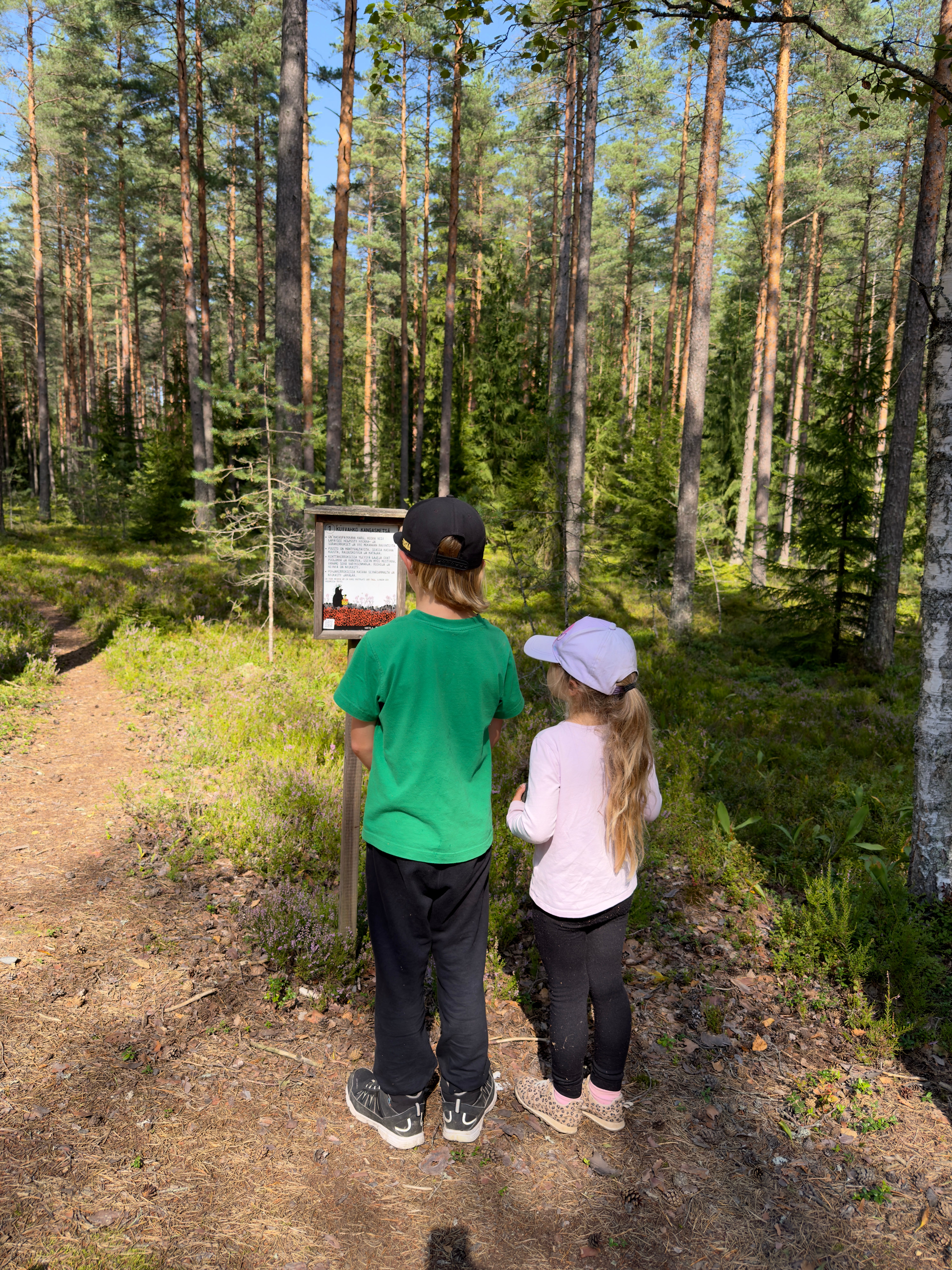
In Finland, we have a three-star system for classifying mushrooms according to their edibility. It is marked with stars, circles and crosses, and the number of symbols indicates how delicious or poisonous a mushroom is. Three stars means an excellent edible mushroom, and these include chanterelles, funnel chanterelles, hedgehog mushrooms and porcini. A circle means inedible, while a cross indicates poisonousness: the more crosses, the more poisonous the mushroom.
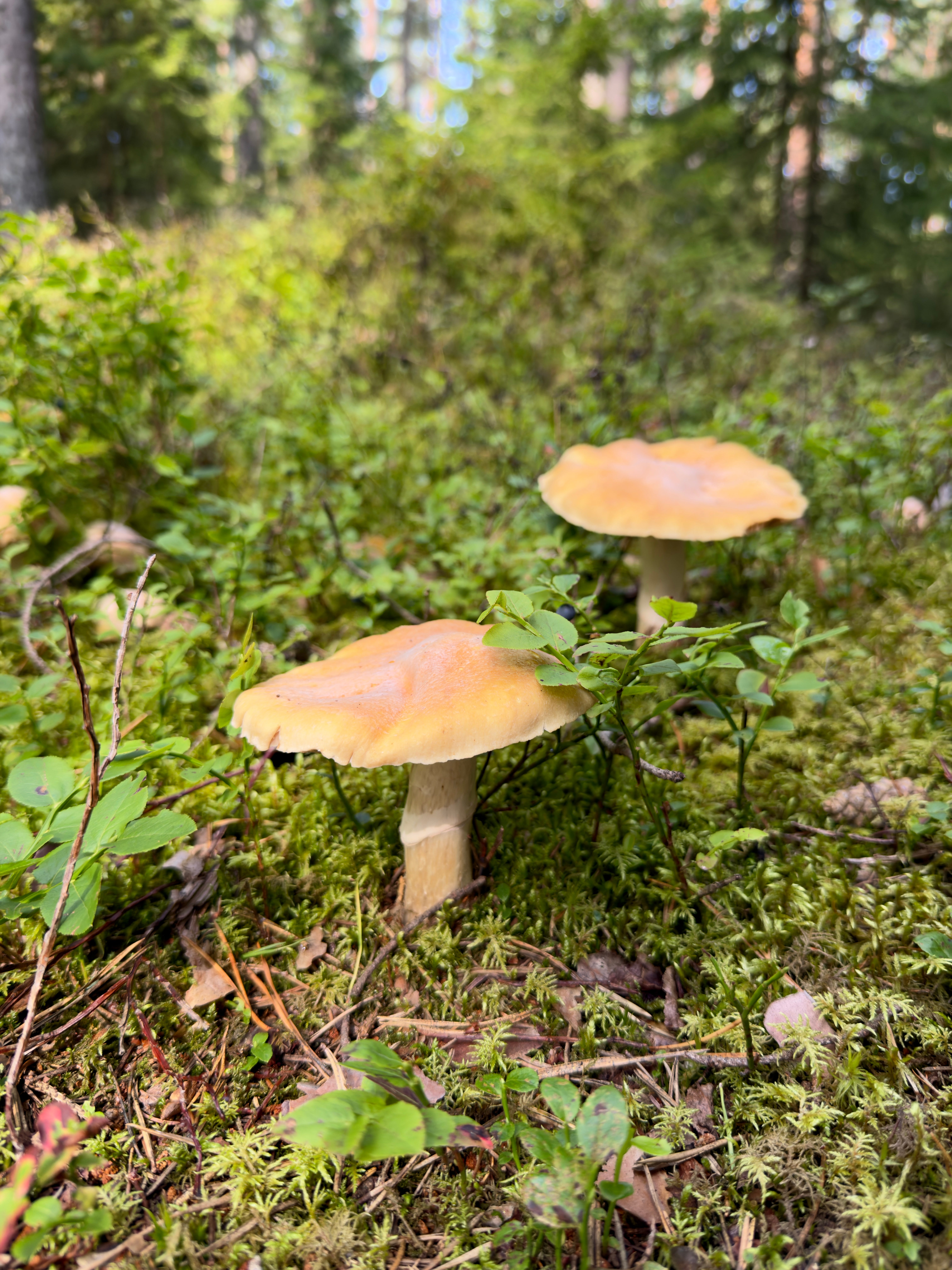
First, we found some gypsy mushrooms, Cortinarius caperatus (Finnish: kehnäsieni). These are the newest species in my mushroom repertoire — I try to learn one new mushroom every year. I’ve picked these a few times and fried them, but I just don’t understand why this is considered a three-star edible mushroom. I found them rather tasteless, and the texture wasn’t anything special either. We left these in the forest this time.
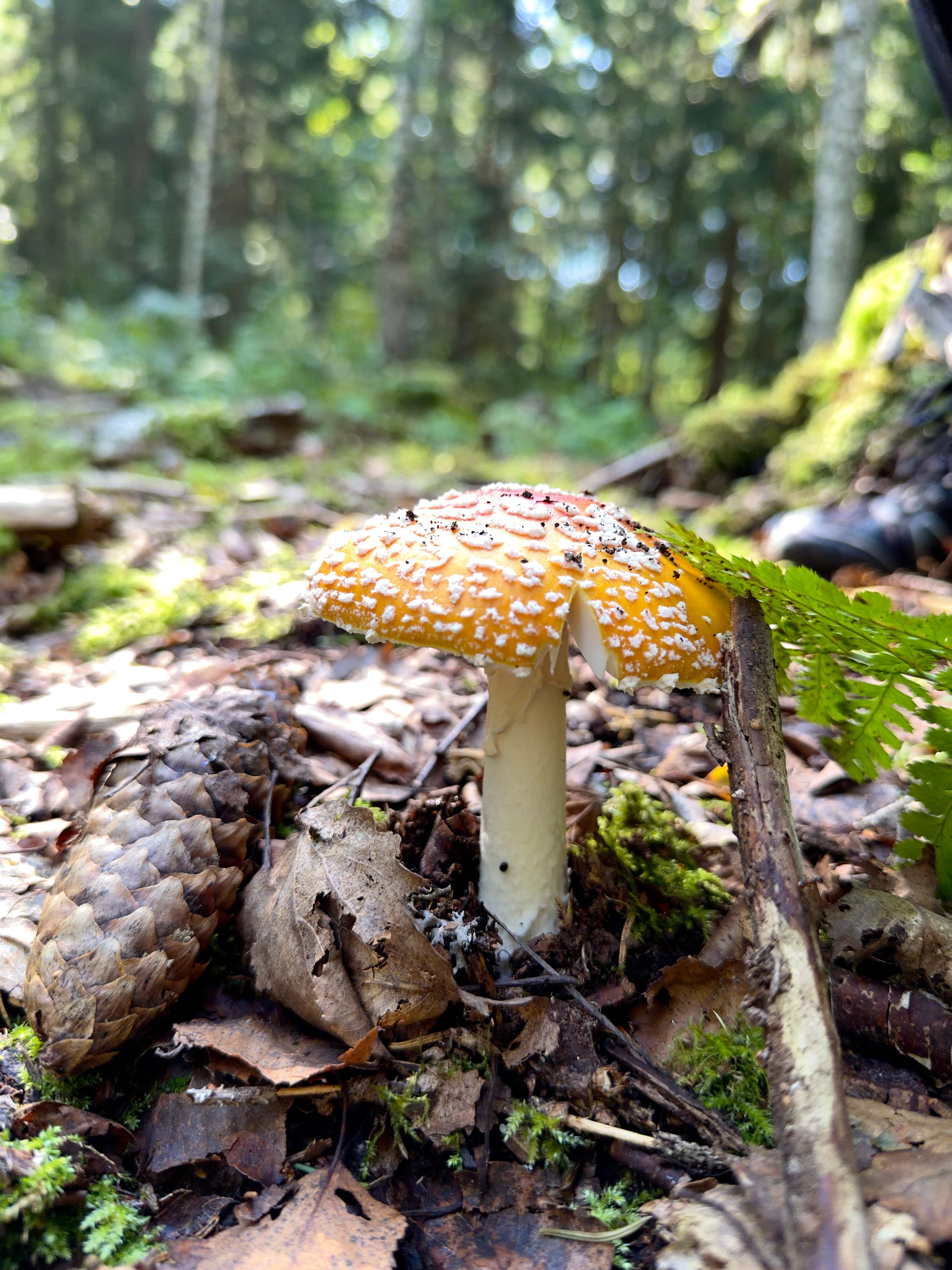
Poisonous mushrooms are also part of the forest: they are fascinating and beautiful organisms, not just something to be avoided. We’re not afraid of touching them, and even the children are allowed to gently touch beautiful fly agarics and dig up the bulbous base of a destroying angel, its best identifying feature, out of the ground. What better way to learn to identify them than by exploring them? Poison isn’t so potent that it would transfer to your hand through touching and then from your hand to other mushrooms in a sufficient amount. Of course, we use common sense, and after touching the most poisonous ones, I remind them not to put their fingers in their mouths.
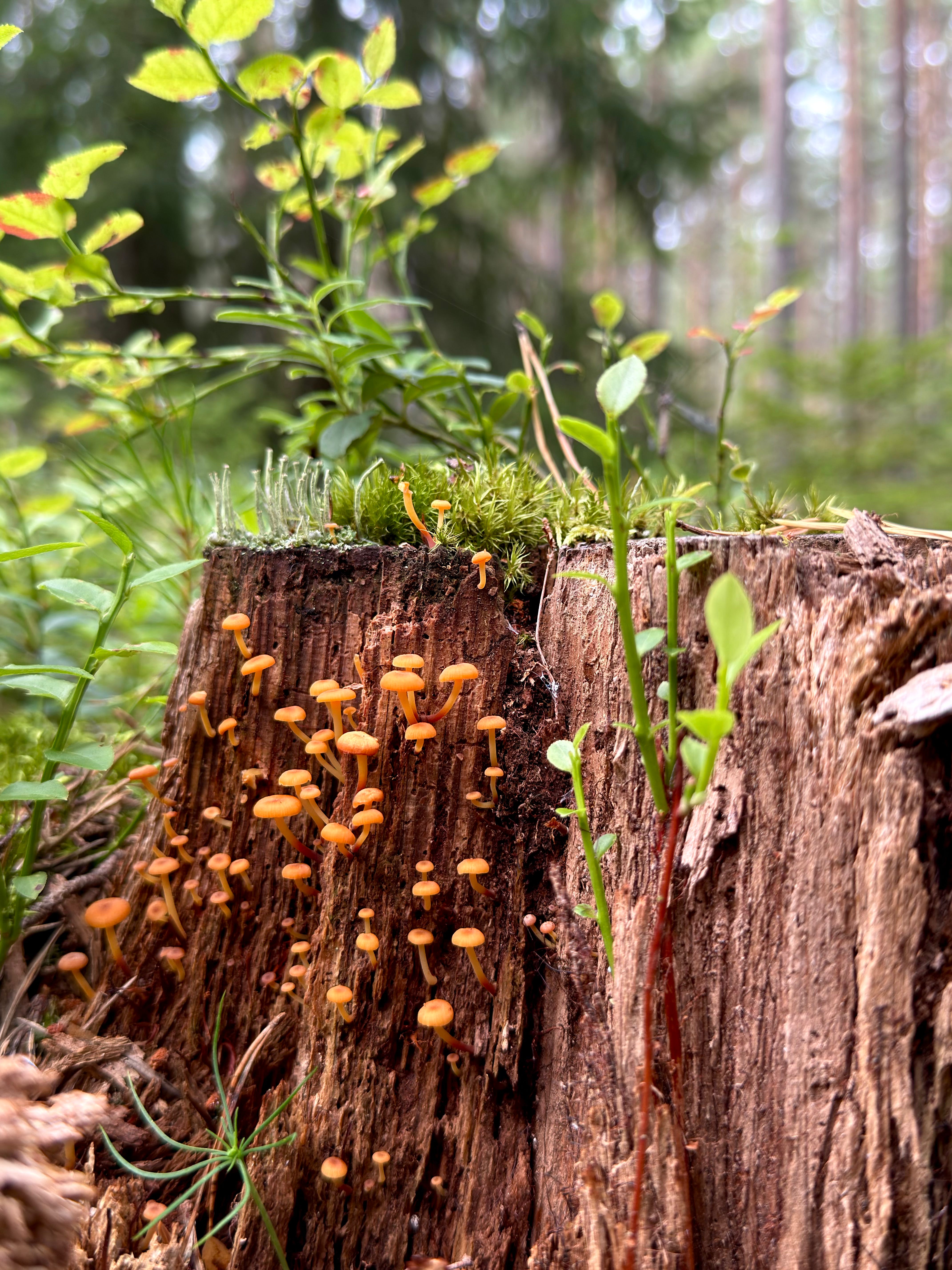
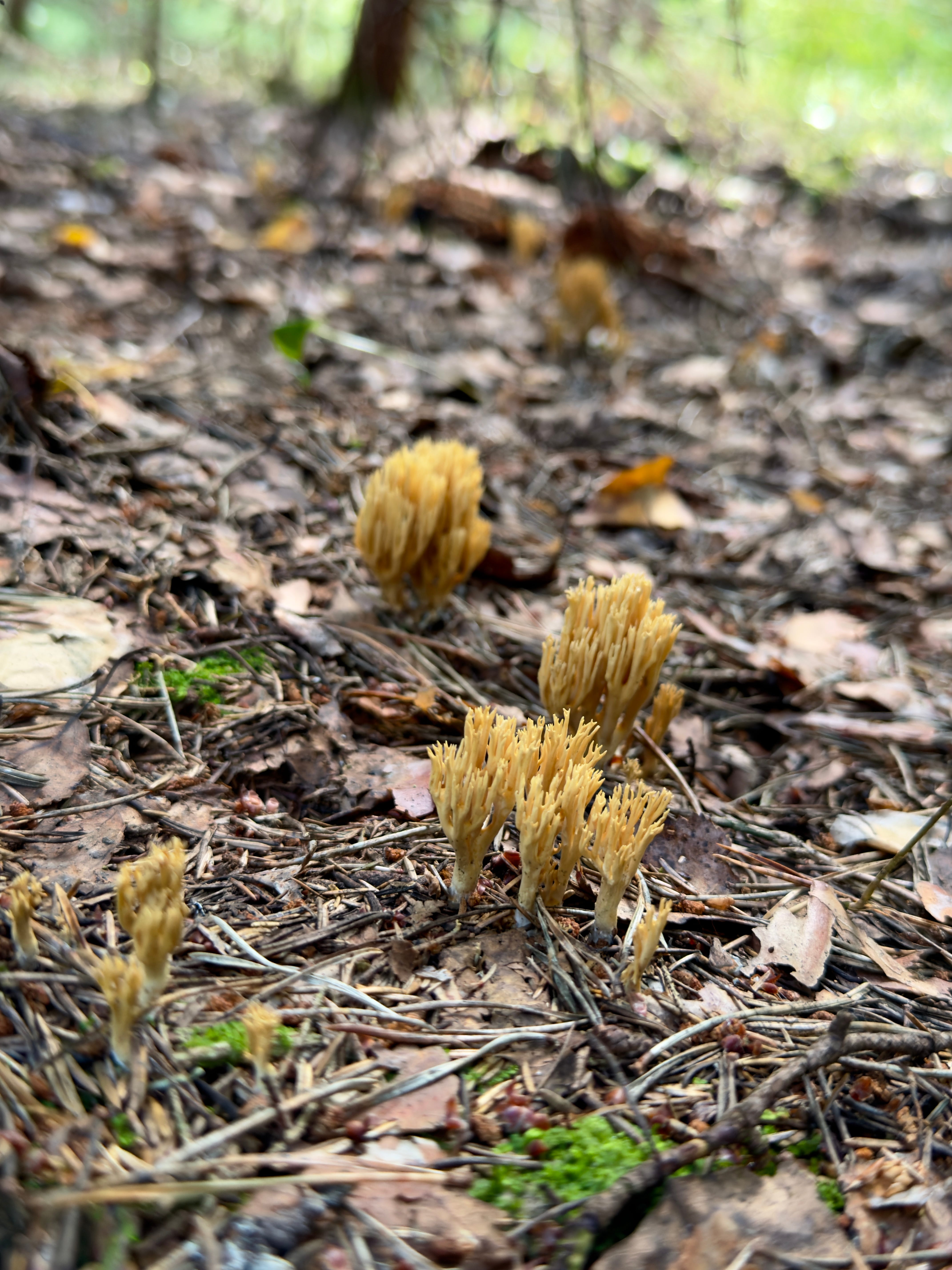
Mushrooms will probably always be something I can never fully understand. Their diversity, their incredible range of colours and shapes, their invisible parts beneath the ground… how can something like this even exist?
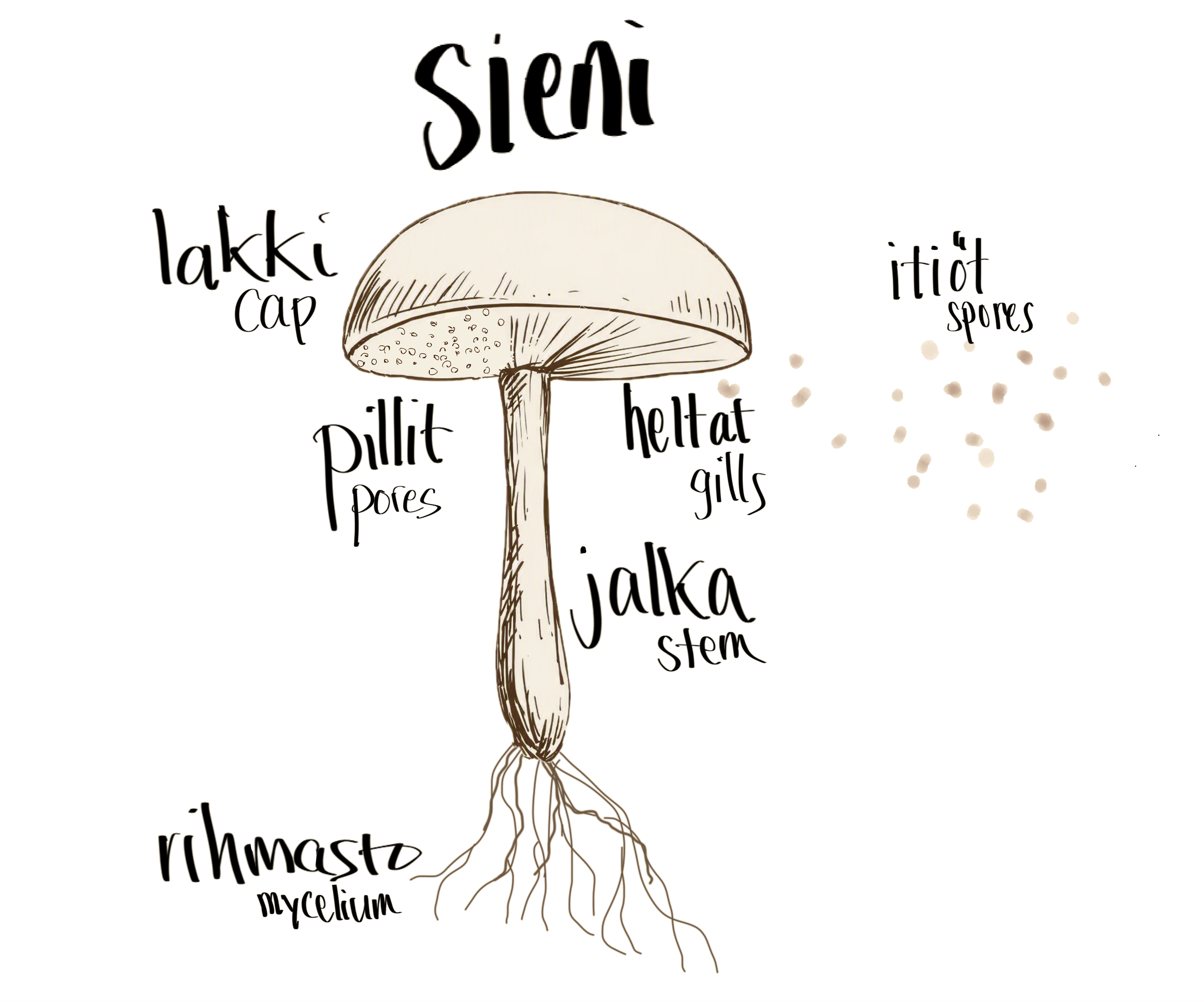
I often notice when writing in English that Finnish, my native language, is incredibly rich when it comes to words related to nature. For example, there is a word specifically for mushroom picking: sienestys, which could be translated directly as “mushrooming.”
“Mushroom hunting” just doesn’t quite feel right to me. Mushrooms aren’t prey like deer. They simply stand there waiting to be found. They don’t run away, even though they do have a leg. Yes, in Finnish, we call a mushroom’s stem its “leg”, and its cap its “hat”.

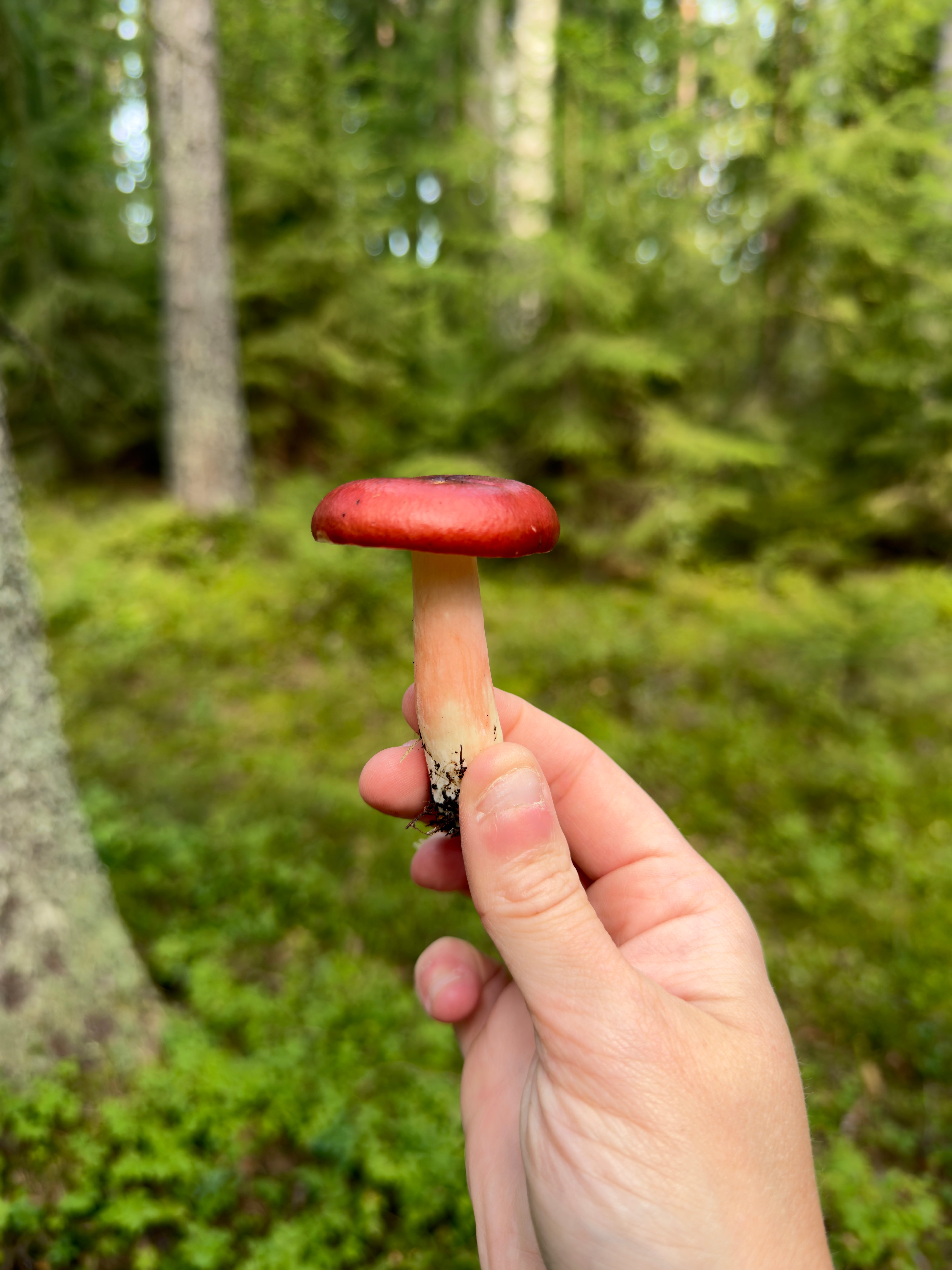
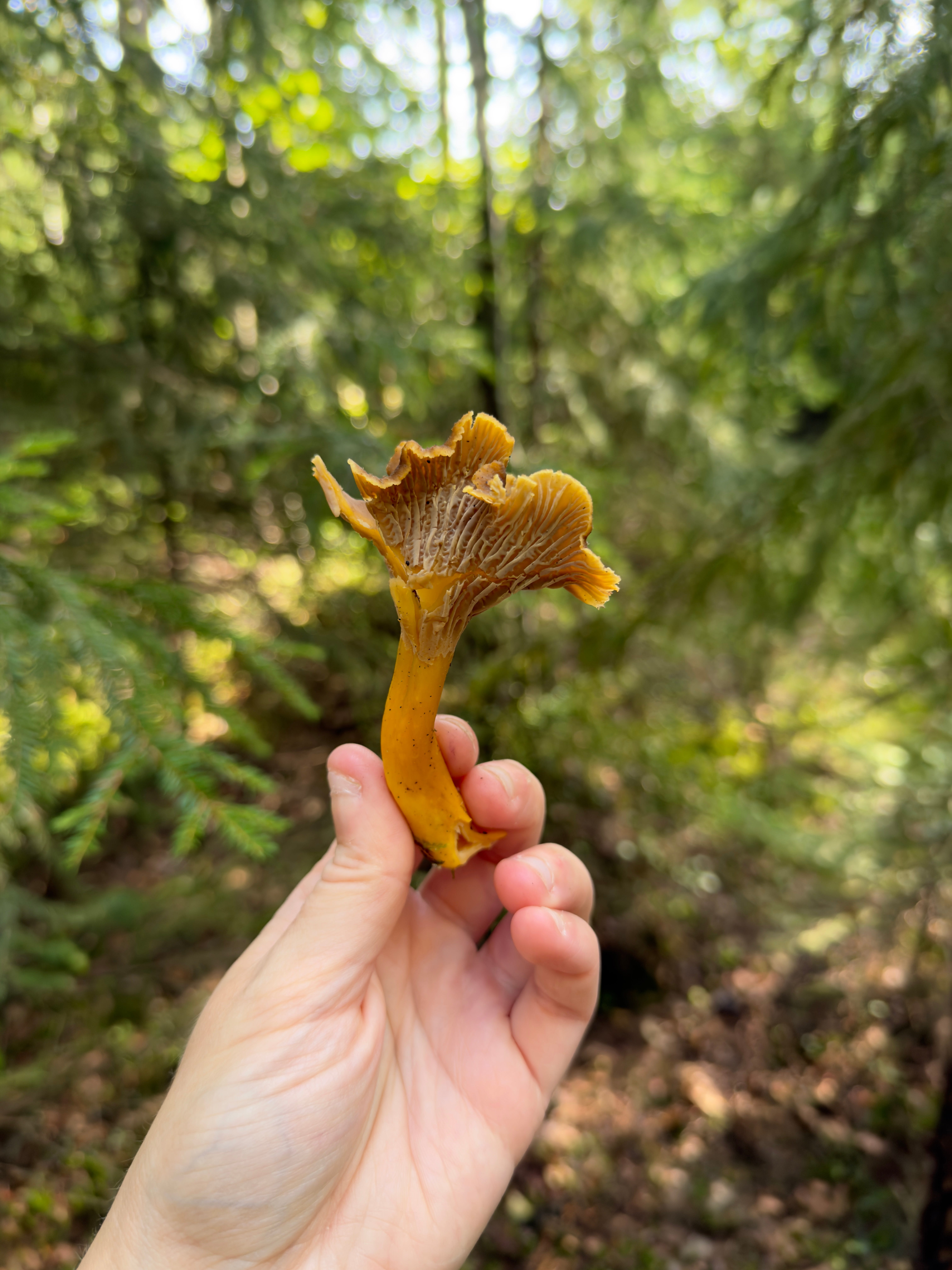
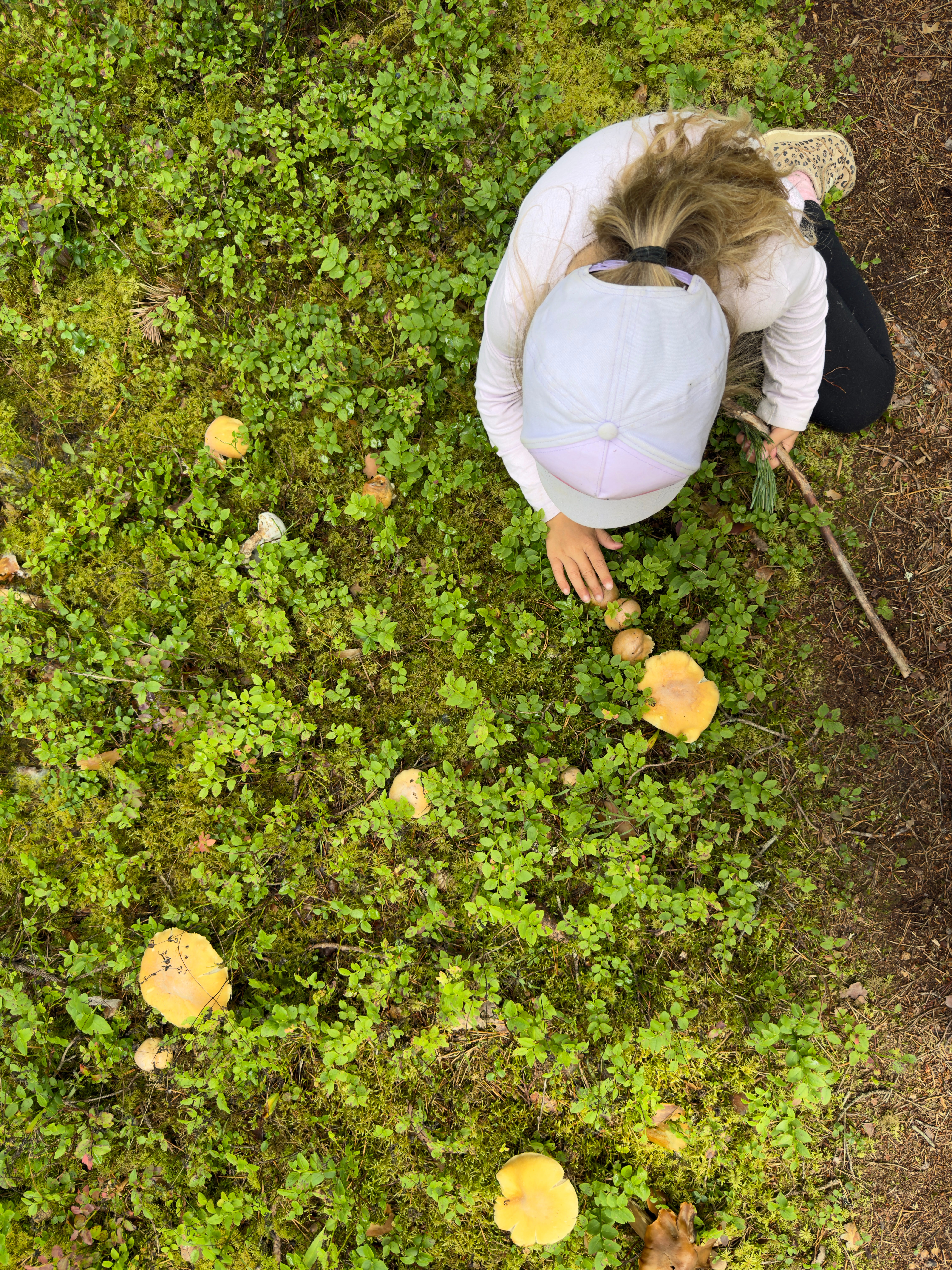
Then we got lucky and found some funnel chanterelles! They are incredibly good fried in a pan. The one in the photo was the biggest; most of them were still quite small. They have a lovely spicy flavour and a great texture.
I gathered them and made a note of the location, too. You can gather funnel chanterelles until the ground freezes. I’ve sometimes picked them frozen, with my fingers numb from the cold, late into the night. I kept finding more and more and simply couldn’t leave the forest. It was wonderful and terrible at the same time.
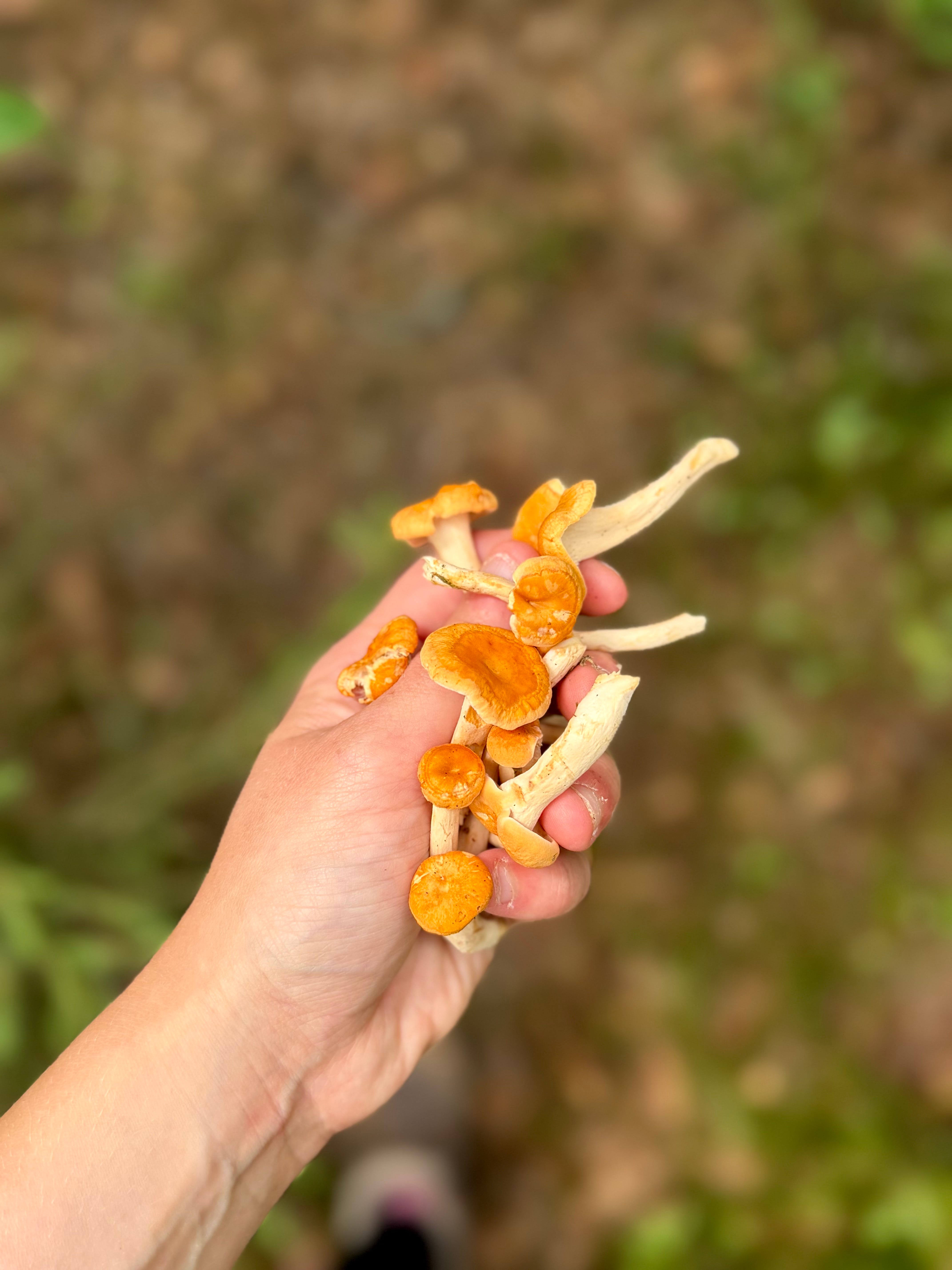
We also found some hedgehog mushrooms in this forest. They’re good edible mushrooms, and they’re also rated three stars. Perhaps a little milder in flavour than chanterelles or funnel chanterelles.
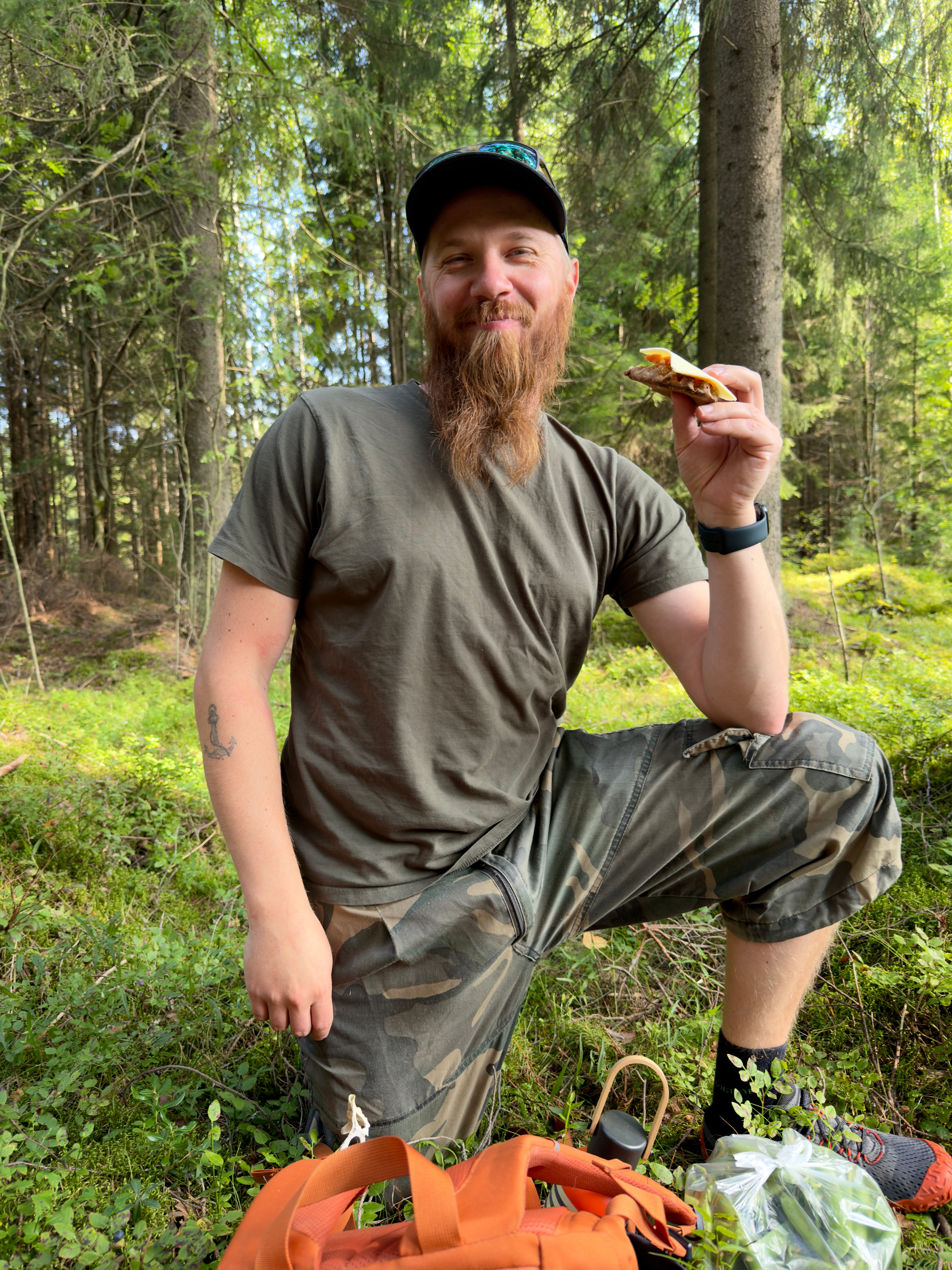
Then we decided to take a break. We had the snacks my partner had chosen: Karelian pasties (an absolute must for a forest snack!), as well as cheese, chicken and peas. We sat down on a fallen tree trunk to eat, and had a really lovely moment together. A snack break in the forest is in a class of its own when it comes to spending time together as a family.

Mealtimes at home can sometimes be chaotic and difficult, but in the forest it’s a completely different kind of moment. At home, someone eats quickly, someone slowly, someone needs the chance to wiggle their legs or get up from the table for a while. But in the forest, there’s no rush, nowhere else we need to be, and somehow everyone seems more relaxed. Everyone can eat in whatever position suits their mood at that moment, whether lying down, squatting, or standing. And we adults are more relaxed there too.
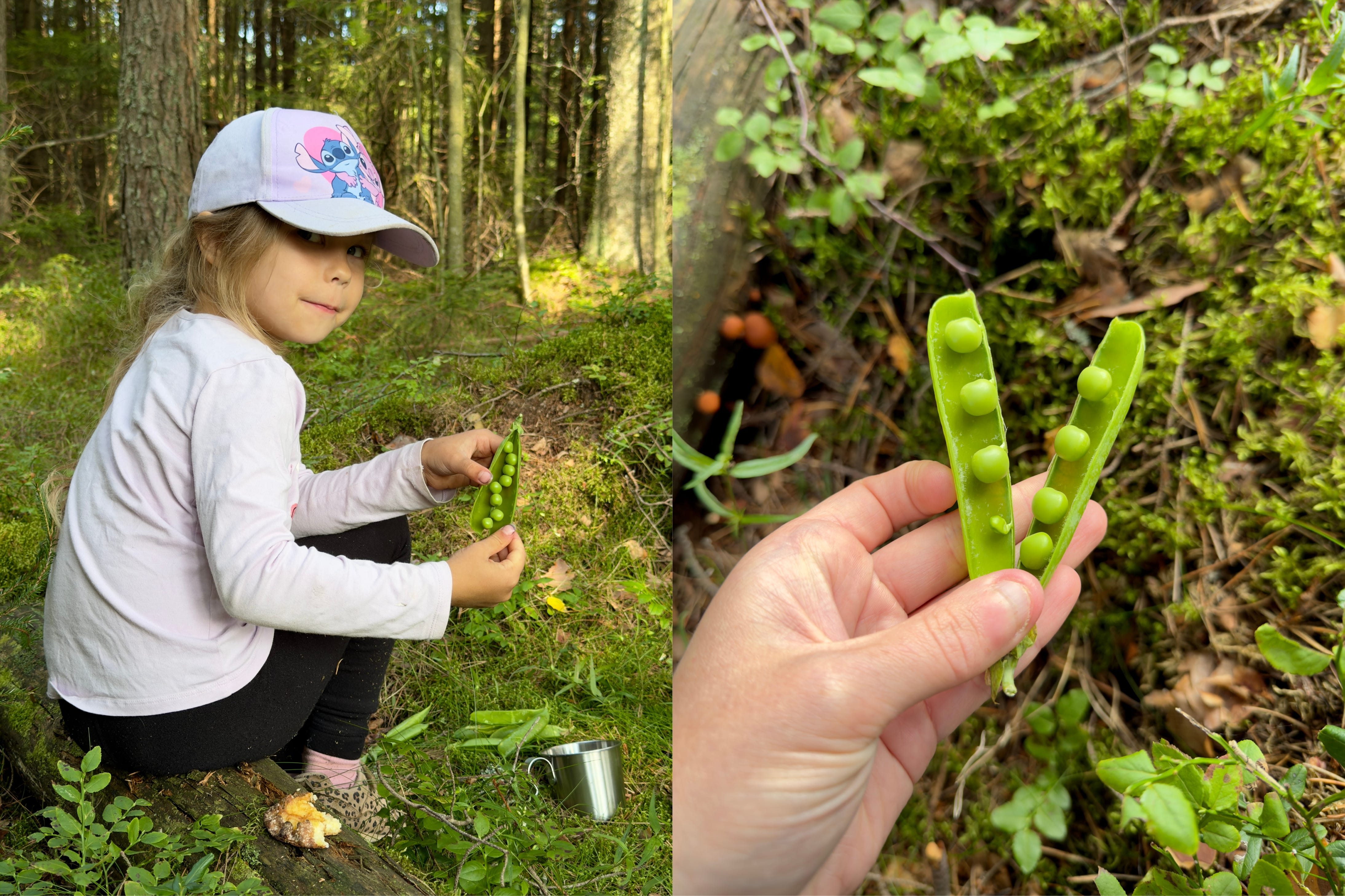
Our conversation soon turned to wondering how a pea somehow knows to grow every other pea on a different side of the pod. When the pod is closed, the peas are arranged in a neat row, and when you open it, you discover that every other pea is attached to the opposite side. It’s pretty amazing when you really stop to think about it. After all that tangled, chaotic, winding growth, peas are some of the most orderly residents of the vegetable garden. There are so many wonderful things hidden in the seemingly ordinary when you take the time to notice.
We collected the pea pods to take home for our compost. Even though they will decompose, they don’t belong in the forest, just like any other rubbish. After our snack break, we continued on.
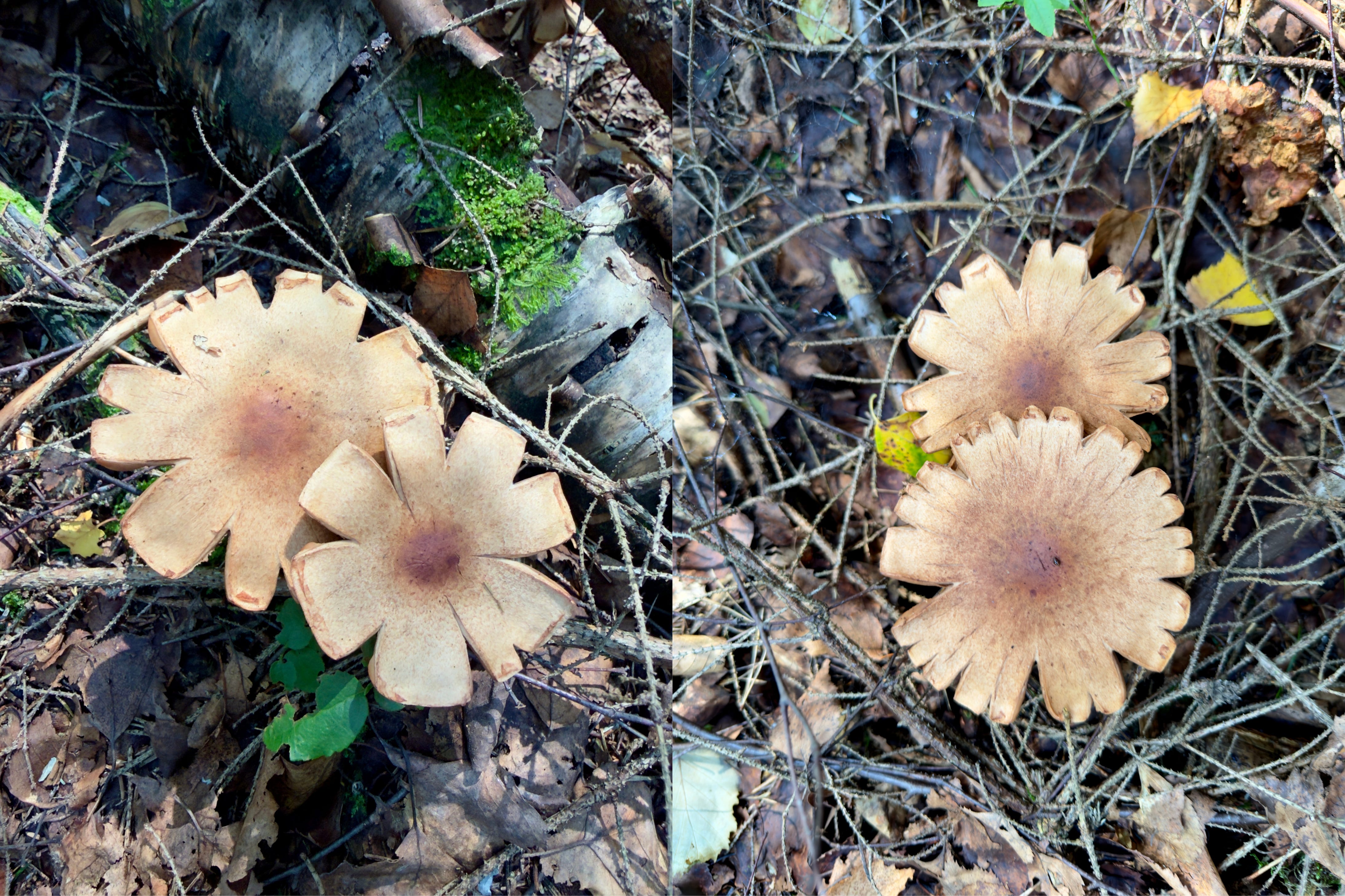
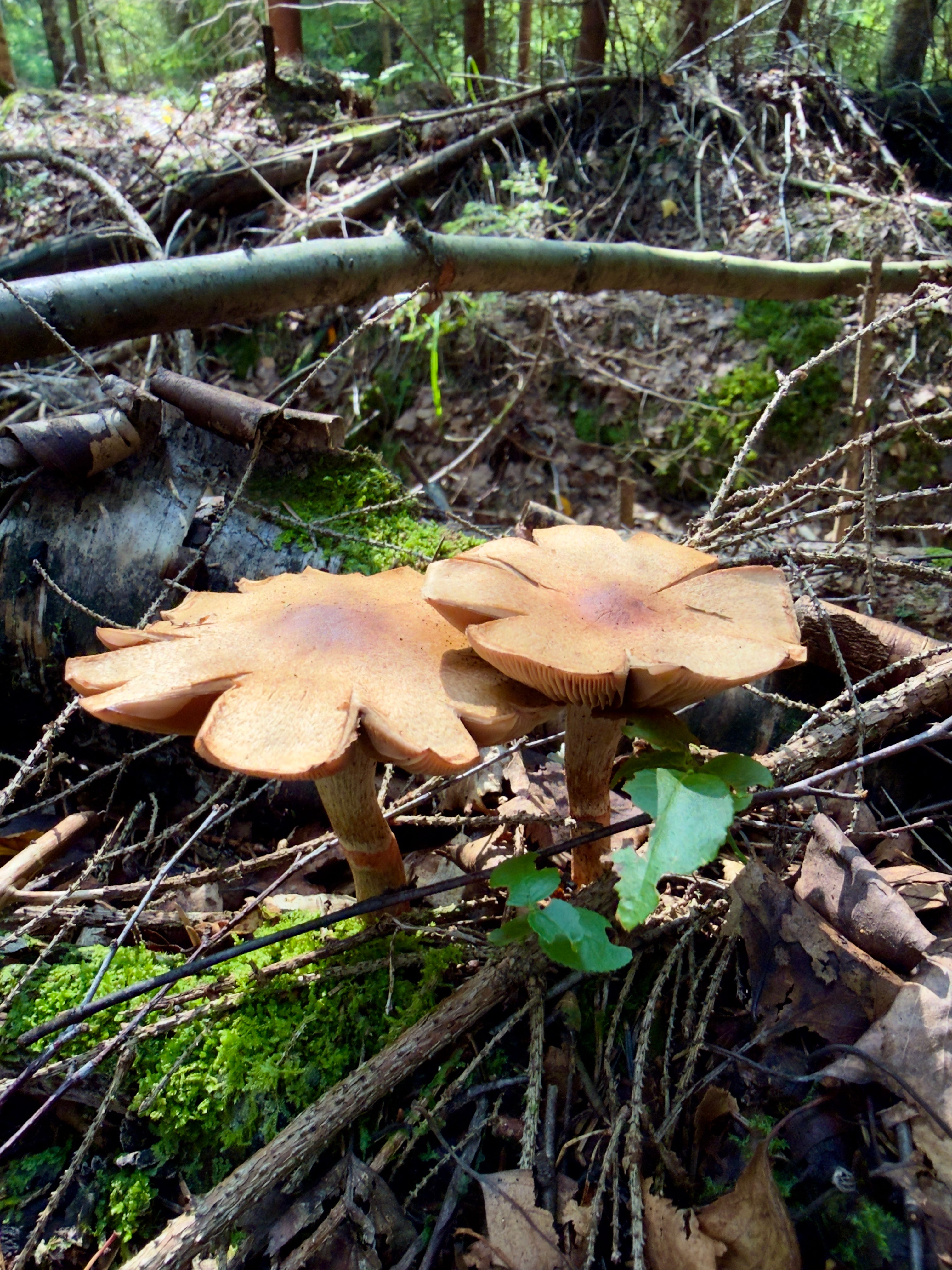

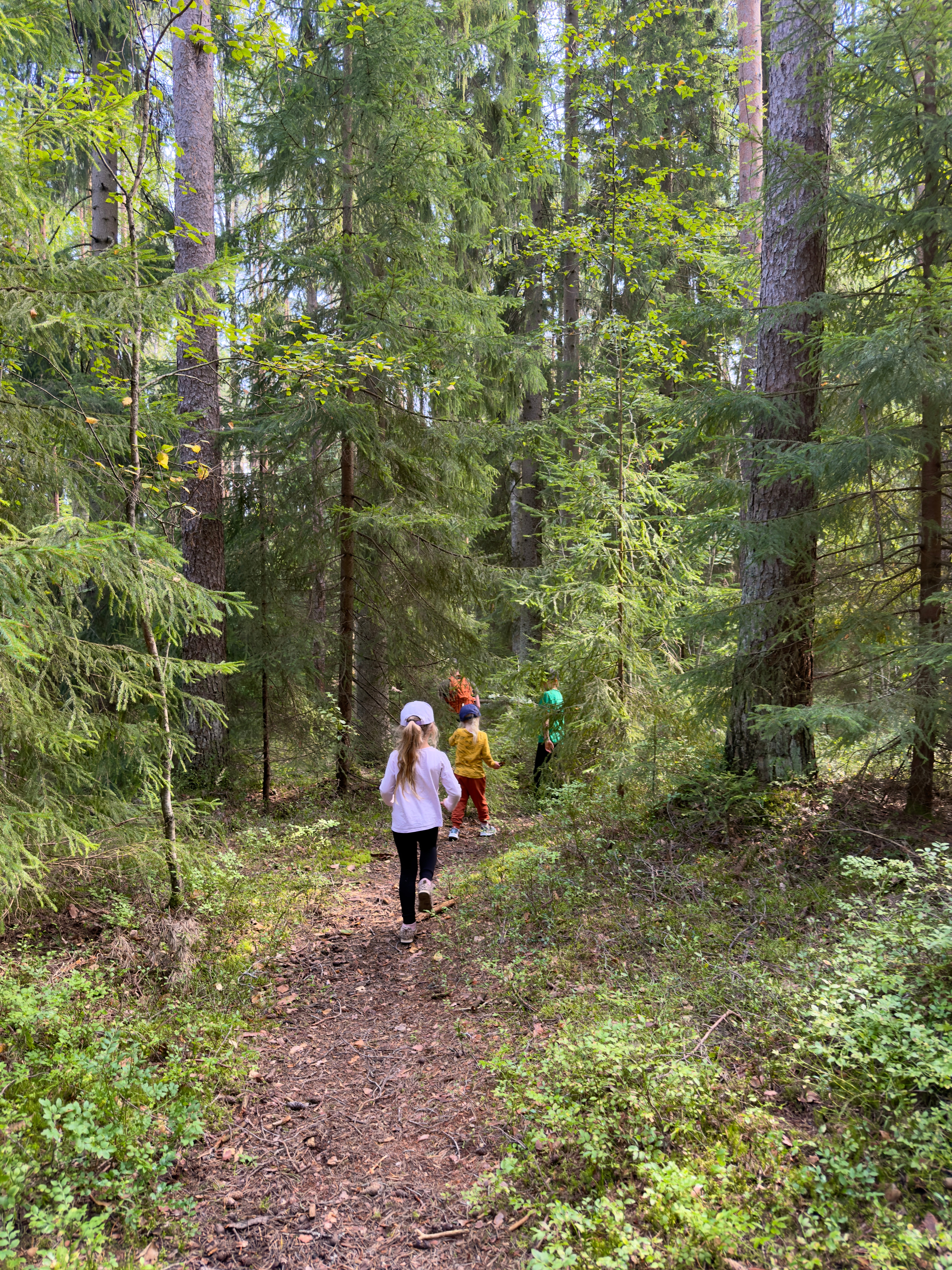
We came into a dim spruce forest, where my 6yo found a very unusual mushroom. Even I couldn’t identify this one. Later, I looked it up and it seems to be Tolypocladium ophioglossoides, the goldenthread cordyceps (Finnish: mustaloisikka).
After the dim forest, we came to a beautiful sunny trail, with thick carpets of haircap moss growing along the edges. This was where I fell behind the rest of the family — the trail was so beautiful that my steps slowed down. One particular spot caught my attention, and I crouched down to look at the world from ground level, from the height of the spore capsules rising above the moss. The sunlight made the ferns glow, and everything was lush and vibrant.
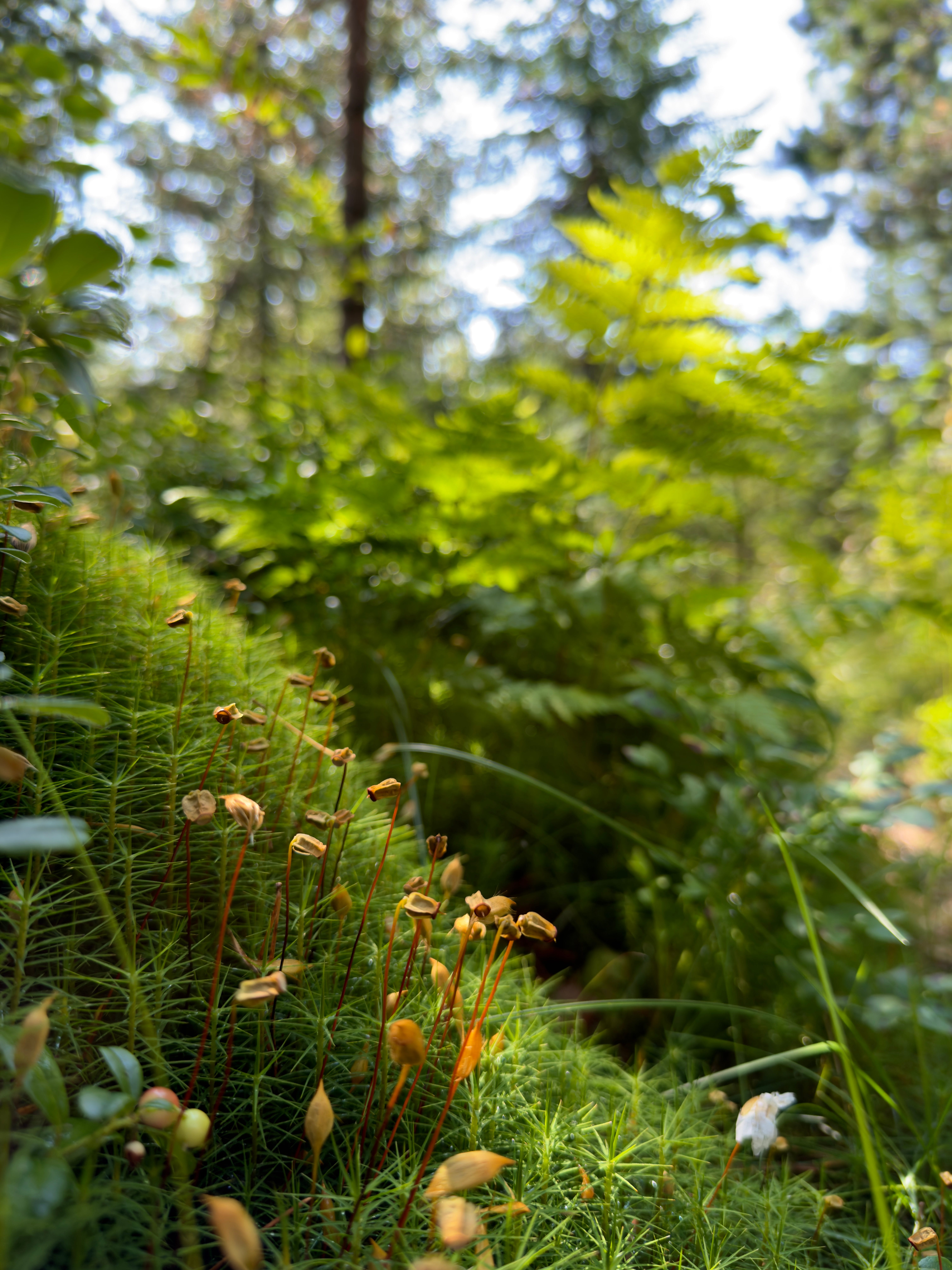
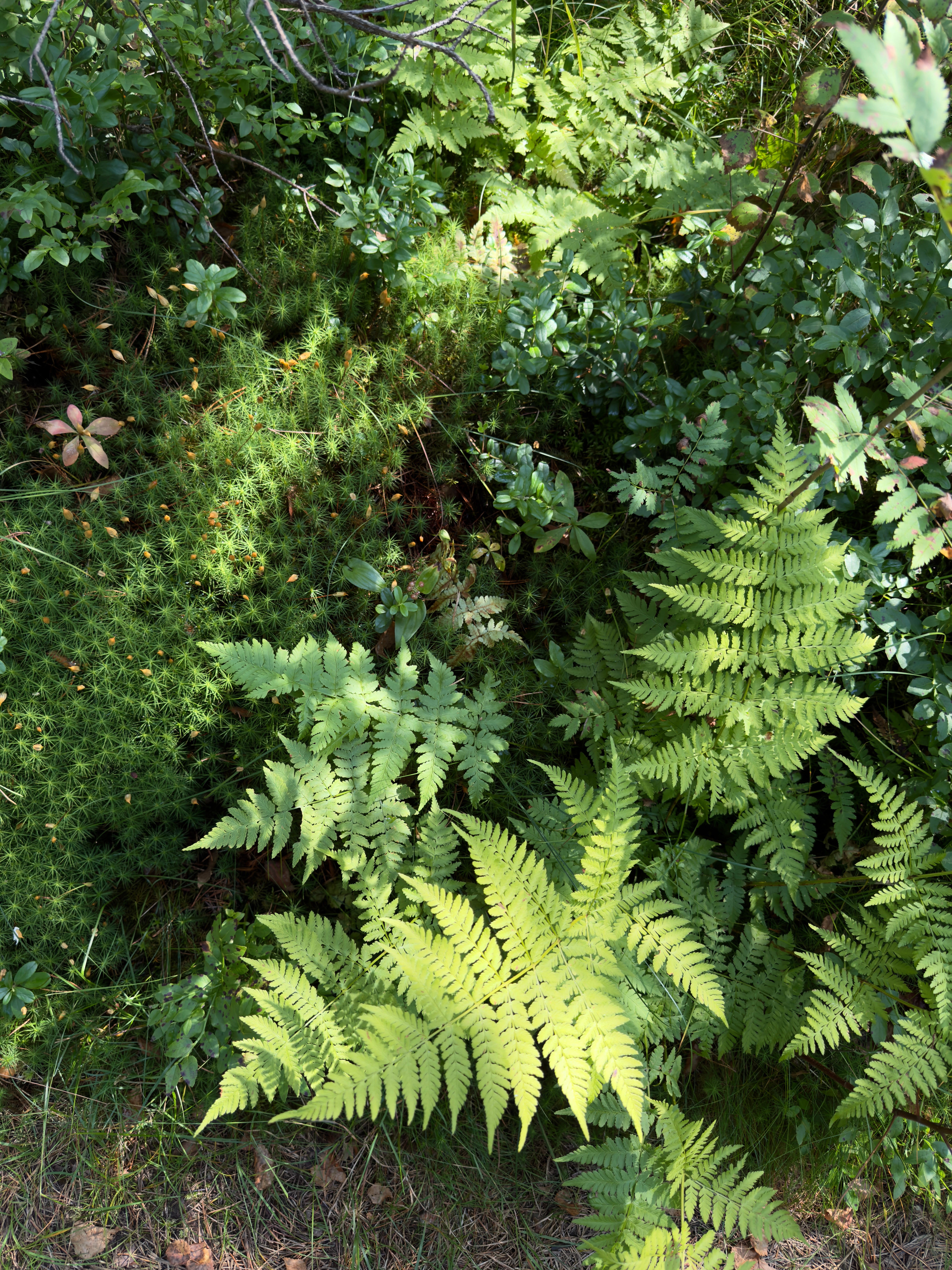

I was a little sad that we had to continue our journey soon, but we definitely have to come back to this trail. Not only because of its wonderful atmosphere, but also because I found chanterelles further along the trail!
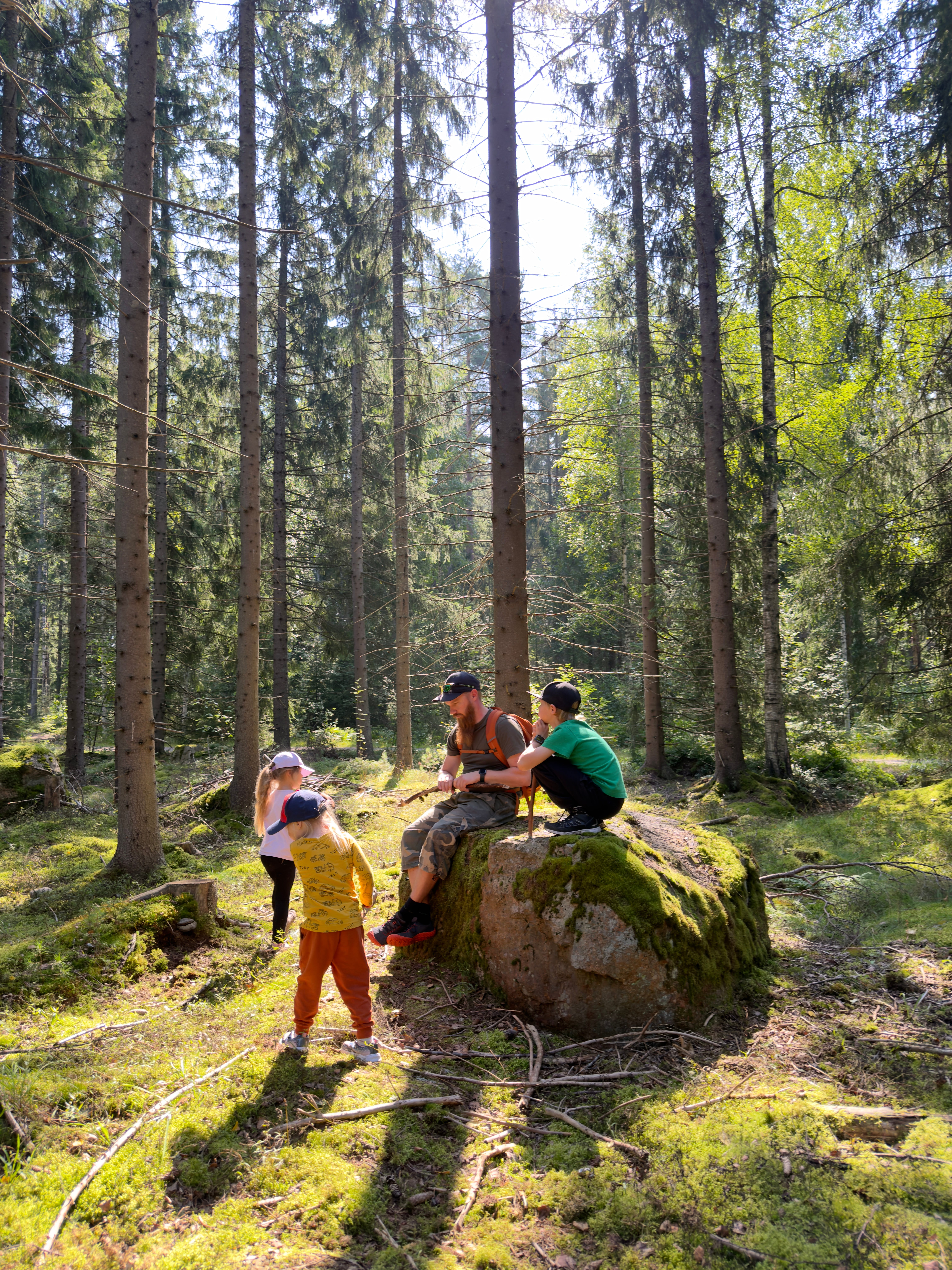
Soon, I found my patiently waiting family on a large moss-covered rock. 6yo had made a discovery and came eagerly over to show it to me.
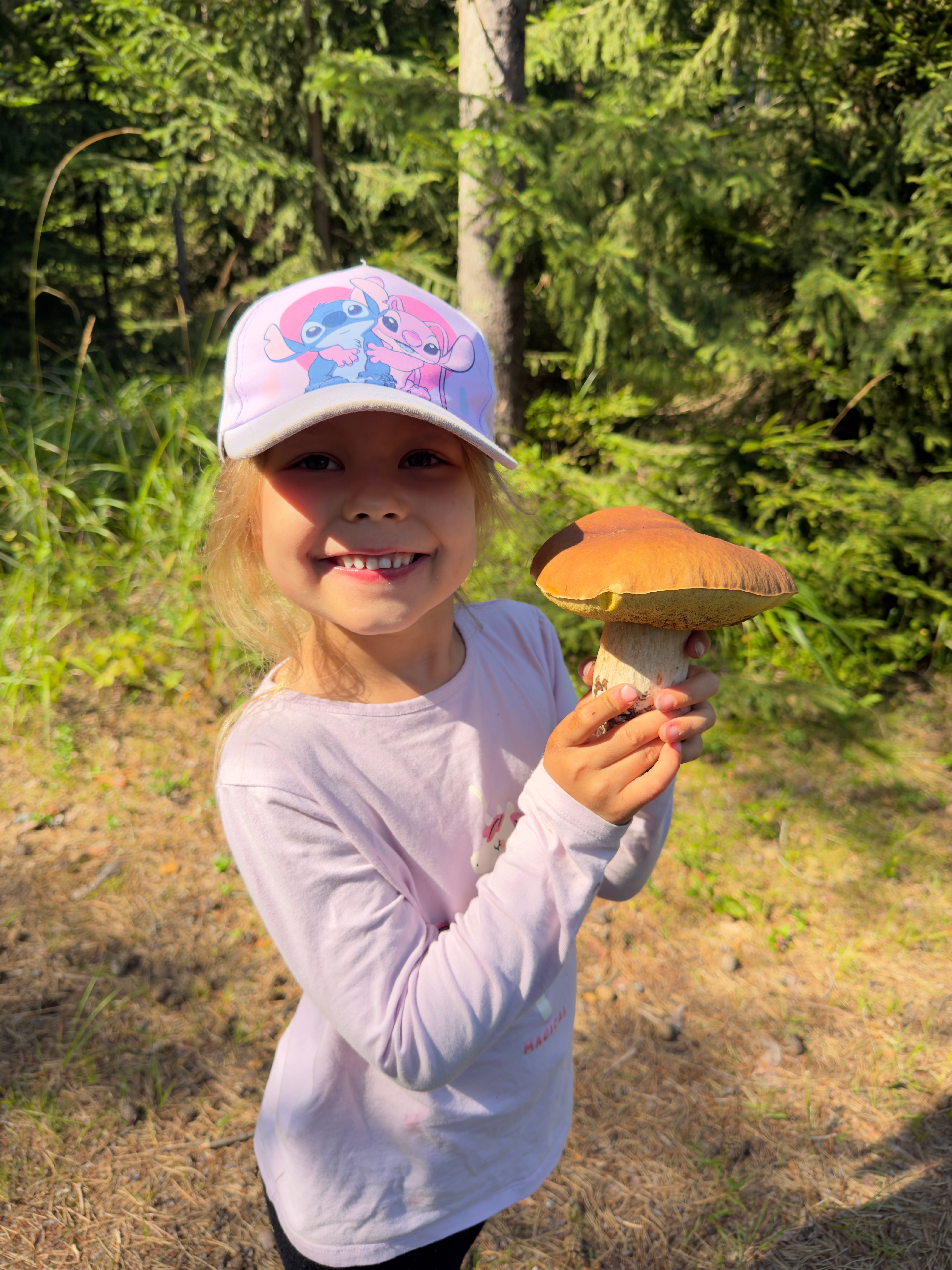
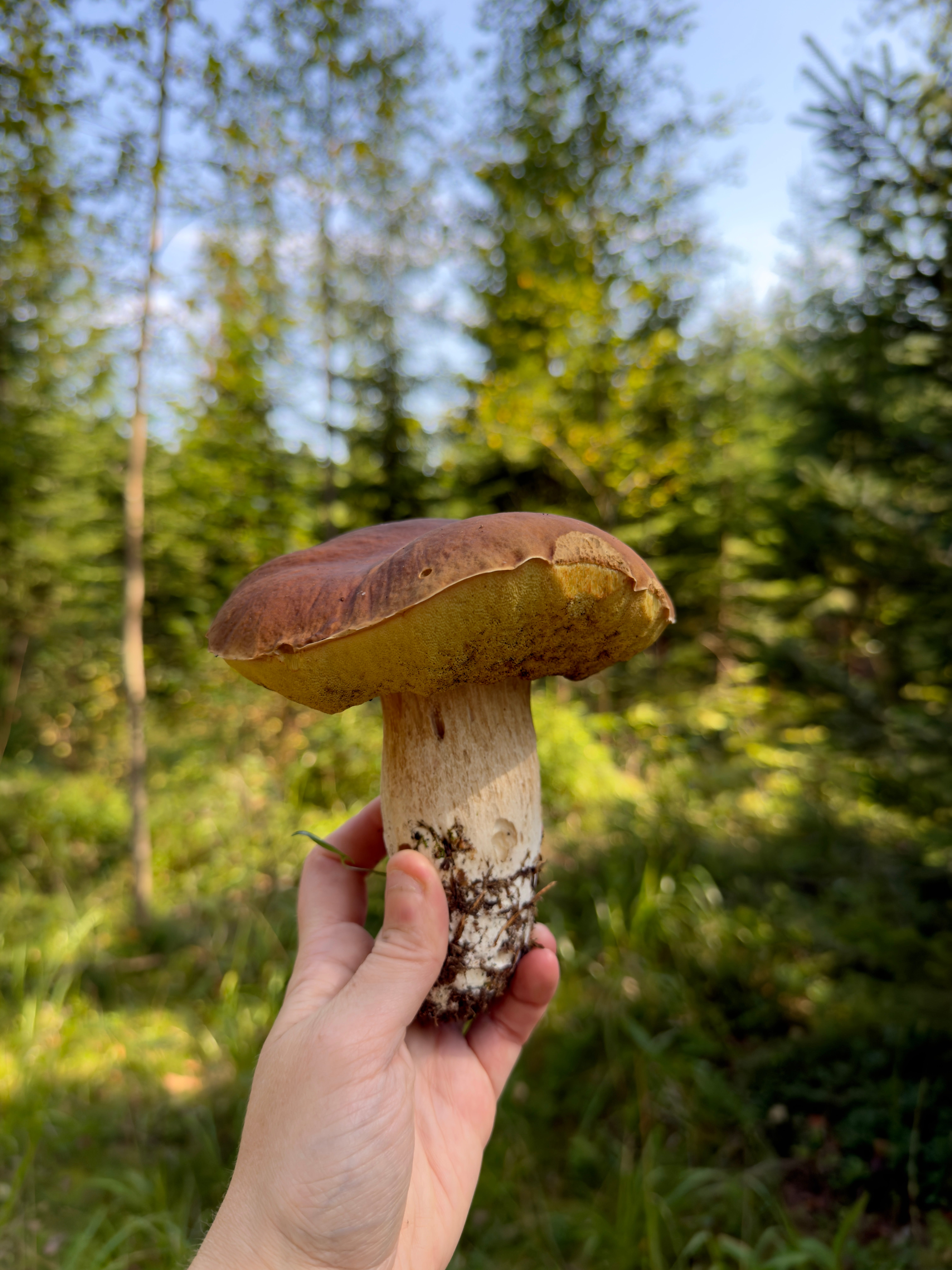
6yo had found a huge porcini. He was so proud of his find. Porcini can be identified from other boletes by their sturdy stem with a reticulated pattern, as well as their pores, which turn yellow as they mature. At this point, we headed home to rest. It had become quite hot in the forest — August still has plenty of hot days.
We fried the porcini and the other mushrooms we had found for breakfast the next morning.
What’s your favourite mushroom? And if you’re from another part of the world, were any of these familiar to you, or were they all new?
